Why Most Patients Go Abroad for Major Diseases
In an increasingly globalized world, the concept of medical tourism—traveling to another country for healthcare—has surged in popularity. What was once a niche option for elective procedures has evolved into a mainstream choice for treating major diseases, from cancer and heart conditions to organ transplants and neurological disorders. According to recent market analyses, the global medical tourism industry was valued at approximately USD 31.09 billion in 2024 and is projected to reach USD 48.40 billion in 2025, with expectations of continued growth at a compound annual rate exceeding 25% through 2030. This boom is driven by millions of patients annually seeking better, faster, or more affordable care outside their home countries. But why do so many opt for this path? This article explores the key reasons, supported by data and real-world insights, while also touching on popular destinations and potential risks.

The Primary Drivers: Cost, Access, and Quality
1. Significant Cost Savings : One of the most compelling reasons patients travel abroad for major diseases is the dramatic reduction in treatment costs. In countries like the United States, where healthcare expenses can be exorbitant, procedures for serious conditions often come with six-figure price tags. For instance, a heart bypass surgery might cost $100,000 or more in the U.S., but the same procedure in India or Thailand could be as low as $10,000 to $20,000, including hospital stays and follow-up care. Medical tourists can save up to 80% on costs compared to their home countries, making it feasible for uninsured or underinsured individuals to afford life-saving treatments. This affordability extends to major diseases like cancer, where chemotherapy or radiation therapy sessions abroad can be a fraction of domestic prices. A 2025 report highlights that cost is the top motivator for 99% of patients seeking overseas care, particularly for those facing chronic or terminal illnesses where ongoing expenses add up quickly.
2. Access to Advanced and Specialized Treatments : Not all countries offer the same level of medical innovation. Patients often go abroad to access cutting-edge technologies, experimental therapies, or specialists unavailable at home. For example, stem cell treatments for neurological disorders or advanced proton therapy for cancer might be restricted or not yet approved in places like the U.S. due to regulatory hurdles, but readily available in countries like Germany or South Korea. In cases of major diseases, this access can be a game-changer. Patients with rare conditions may find world-renowned experts in destinations like Singapore, where hospitals boast state-of-the-art facilities and high success rates for complex surgeries. Additionally, some treatments are outright illegal or unavailable domestically, prompting travel for options like certain fertility treatments or elective procedures tied to major health issues .
3. Shorter Waiting Times : In publicly funded healthcare systems like those in Canada or the UK, waiting lists for major procedures can stretch months or even years, exacerbating conditions and reducing survival rates. Medical tourism offers a bypass: in countries like Turkey or Mexico, patients can schedule surgeries within weeks. For time-sensitive diseases such as cancer or organ failure, this immediacy can mean the difference between recovery and deterioration. Statistics from 2025 indicate that reduced wait times are a key factor for about 40-50% of medical tourists, especially those from regions with overburdened healthcare .
4. Perceived Higher Quality of Care : Contrary to stereotypes, many international hospitals meet or exceed global standards, often accredited by organizations like Joint Commission International (JCI). Patients report seeking abroad for “better” care, including personalized attention, modern facilities, and holistic approaches. For major diseases, this might include integrative cancer treatments combining Western medicine with alternative therapies in places like Thailand . Privacy and preference also play roles; some patients value the anonymity of treatment far from home, particularly for sensitive conditions.
5. Combining Treatment with Recovery and Travel : Medical tourism often doubles as “health tourism,” where patients recover in scenic locations. Post-surgery rehabilitation in Costa Rica’s beaches or wellness retreats in Bali can enhance mental well-being during treatment for major diseases. This holistic appeal attracts those who view recovery as an opportunity for rejuvenation.
Popular Destinations for High Quality Treatment :
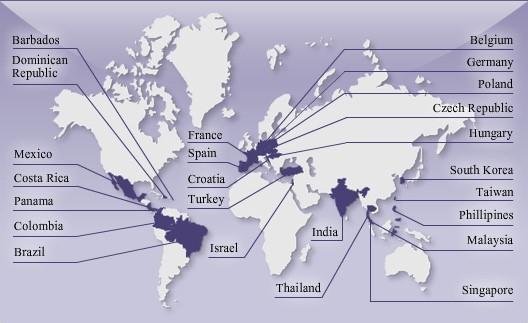
The choice of destination depends on the disease, budget, and preferences. Here’s a look at some top spots:
- Thailand: Leading in Asia, known for affordable cancer care, heart surgeries, and cosmetic procedures tied to health issues. It’s the world’s top medical tourism hub, attracting over a million visitors annually.
- India: Excels in organ transplants, cardiology, and oncology, with costs 60-80% lower than in the West.
- Turkey: Popular for hair transplants, eye surgeries, and cancer treatments, blending affordability with European standards.
- Mexico: A favorite for North Americans, offering quick access to dental, bariatric, and orthopedic care for chronic conditions.
- Singapore and Malaysia: High-end options for advanced tech in neurology and fertility, with excellent safety records.
- Costa Rica and Brazil: Strong in cosmetic and wellness treatments linked to major health recoveries.
The Flip Side: Risks and Considerations :
While the benefits are clear, medical tourism isn’t without drawbacks. Complications arise in about 10-20% of cases, often due to substandard facilities or post-op infections. Key risks include:
- Infections and Poor Hygiene: Hospital-acquired infections are more common in some destinations, exacerbated by antibiotic-resistant bacteria.
- Travel-Related Issues: Long flights post-surgery increase risks of blood clots or complications.
- Quality Variability: Not all providers are accredited; inadequate follow-up care back home can lead to issues.
- Legal and Ethical Concerns: Limited recourse for malpractice, and in rare cases, violence or overcrowding.
Patients should research thoroughly, consult home doctors, and consider insurance for medical tourism.
Conclusion: A Growing Trend with Careful Navigation :
As healthcare costs rise and borders blur, more patients will turn abroad for major disease treatments. The allure of savings, speed, and superior options is undeniable, but success hinges on informed choices. Whether it’s a life-extending cancer therapy in India or a swift heart procedure in Turkey, medical tourism represents hope for many. If you’re considering this path, prioritize accredited facilities and weigh the pros against potential pitfalls—your health journey could be transformative.