
Best Fertility Treatment in Europe
Are you looking for the best fertility treatment in Europe to help you start or grow your family? Finding the right care can feel overwhelming, but you don’t have to face it alone.
Imagine having access to top clinics, expert doctors, and the latest technology all focused on your success. This guide will show you where to find the most effective and trusted fertility treatments in Europe, so you can make confident decisions for your future.
Keep reading to discover how you can turn hope into reality.
Top Fertility Clinics
Europe hosts many top fertility clinics known for quality care and advanced treatments. These clinics offer personalized plans to help couples conceive. Each clinic uses the latest technology to improve success chances. Patients find comfort in expert teams and supportive environments. Choosing the right clinic can make a big difference in treatment outcomes.
Leading Clinics By Country
Spain has several top fertility centers, especially in Barcelona and Madrid. Clinics there often attract international patients. In the Czech Republic, Prague is famous for affordable, high-quality treatments. Greece offers clinics with a strong focus on IVF and egg donation. The UK has well-established clinics in London and Manchester with excellent reputations. Each country has unique strengths in fertility care.
Clinic Success Rates
Success rates show how often treatments result in pregnancy. Clinics report rates for different procedures like IVF and ICSI. Higher rates indicate better chances but depend on patient age and health. Top clinics maintain success rates above 40% for IVF in women under 35. Always check updated success statistics from official registries or clinic reports.
Patient Reviews
Patient feedback reveals real experiences and care quality. Many patients praise clinics for kind staff and clear communication. Some highlight efficient processes and quick appointment scheduling. Others mention emotional support throughout treatment. Reading varied reviews helps understand what to expect beyond success rates.

Credit: worldfertilityservices.com
Popular Fertility Treatments
Europe offers many popular fertility treatments. These treatments help couples start families. Clinics use advanced technology and expert care. Each treatment suits different fertility needs. Understanding these options helps patients make informed choices.
In Vitro Fertilization (ivf)
IVF is a common fertility treatment worldwide. It involves fertilizing an egg outside the body. Doctors place the fertilized egg back into the uterus. IVF helps with blocked tubes or low sperm count. Success rates vary but many couples conceive this way.
Intracytoplasmic Sperm Injection (icsi)
ICSI is a special type of IVF. It involves injecting a single sperm directly into an egg. This method helps when sperm quality or quantity is low. ICSI increases chances of fertilization. Clinics often use ICSI alongside IVF for better results.
Egg And Sperm Donation
Donation helps couples with poor egg or sperm quality. Donors provide healthy eggs or sperm for fertilization. This option offers hope for couples facing severe infertility. Many European countries have strict donation rules. Clinics ensure donor screening and privacy.
Frozen Embryo Transfer
Frozen embryo transfer uses embryos saved from previous IVF cycles. Embryos freeze to preserve their quality. Later, doctors thaw and transfer embryos to the uterus. This method reduces the need for repeated egg retrieval. It offers a cost-effective and flexible treatment option.
Cost Comparison
Cost plays a big role in choosing the best fertility treatment in Europe. Prices vary widely across countries. Knowing the cost helps plan your budget well. This section breaks down the key costs and options.
Treatment Prices Across Europe
Treatment costs differ a lot between countries. Spain and Czech Republic offer lower prices. Germany and Denmark tend to be more expensive. A single IVF cycle can cost from €2,000 to over €5,000. Some countries include medication in the price. Others charge separately for drugs.
Insurance And Funding Options
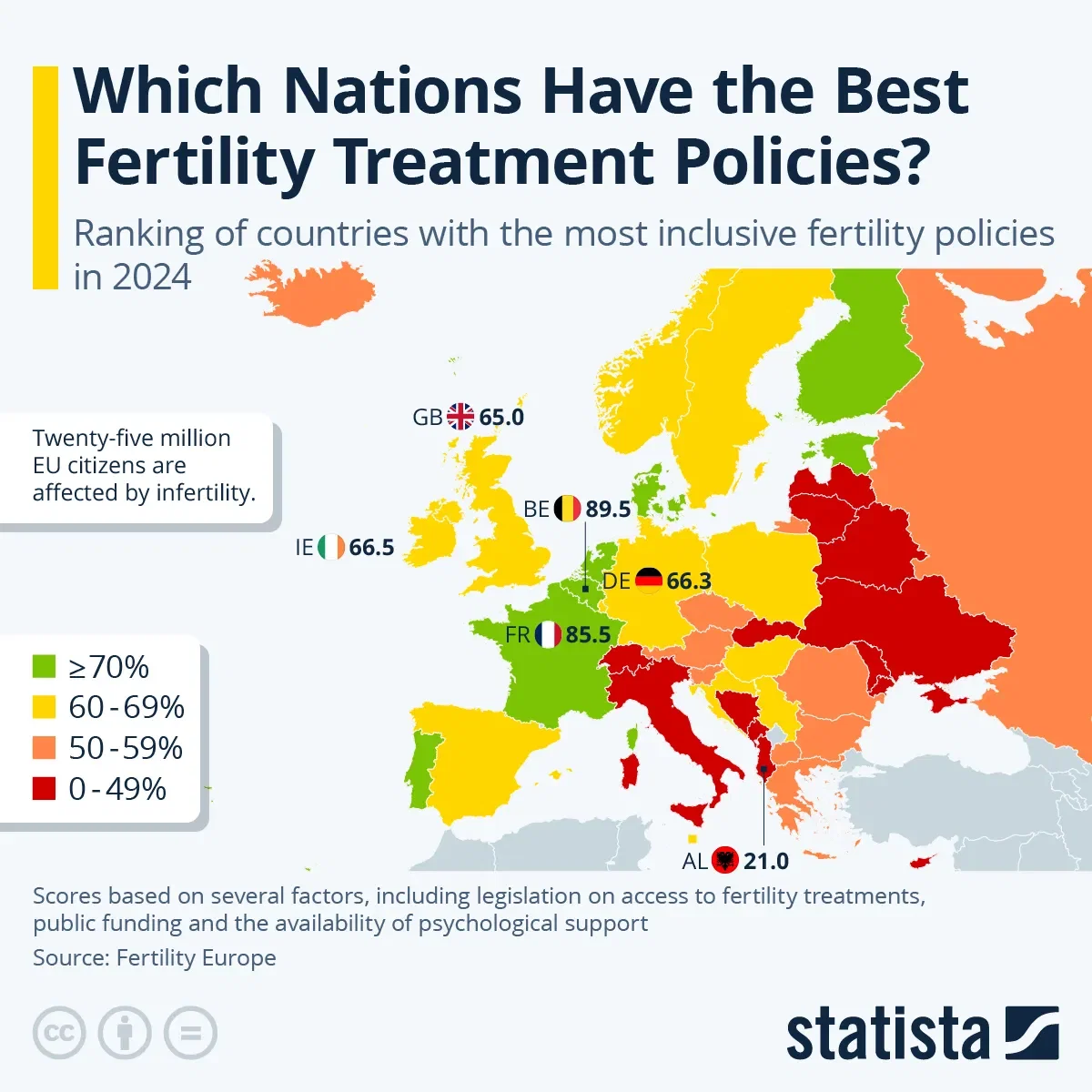
Public health insurance covers fertility treatment in some countries. France and Belgium offer partial or full coverage. Many countries require private insurance or self-payment. Some clinics provide financing or payment plans. Grants and subsidies exist but vary by region.
Hidden And Additional Costs
Extra costs often surprise patients. Medication is a common extra fee. Tests, consultations, and scans may add up. Travel and accommodation can increase expenses. Some clinics charge for embryo storage. Always ask for a full price list upfront.
Legal And Ethical Factors
Legal and ethical factors shape fertility treatments across Europe. Laws differ by country. These rules affect who can access treatments and how they are done. Understanding these factors helps patients make informed choices. It also ensures clinics follow proper guidelines.
Ethics play a big role in fertility care. Respecting patients’ rights and safety is key. These issues guide doctors and clinics in their work. Patients benefit from clear, fair rules.
Country-specific Fertility Laws
Each European country has its own fertility laws. Some allow egg and sperm donation. Others limit the number of embryos used in treatment. Age limits for patients can vary widely. Laws also define who can receive treatment, such as single women or same-sex couples. Knowing these rules helps patients find the best options legally available.
Ethical Considerations
Ethical issues include embryo handling and consent. Clinics must get clear permission before treatments. Protecting the rights of donors and parents is vital. Avoiding exploitation or harm is a top priority. Transparency and honesty build trust between patients and doctors.
Cross-border Fertility Treatments
Many patients travel abroad for fertility care. Differences in laws and costs attract them. Cross-border treatment requires careful planning and legal checks. Patients must understand both countries’ rules. Communication between clinics and patients ensures safe and ethical care. This option expands access but needs caution.
Patient Experience
Choosing fertility treatment in Europe means more than just medical care. Patient experience plays a big role in success and comfort. Clinics focus on making every step clear and supportive. Patients feel cared for in a warm, respectful environment. This helps reduce stress and builds trust in the treatment process.
Emotional Support Services
Fertility treatment can bring many emotions. Clinics offer counseling to help patients manage stress and anxiety. Support groups connect patients with others facing similar challenges. These services create a safe space to share feelings. Emotional care improves mental health and treatment outcomes.
Language And Communication
Clear communication is key during fertility treatment. Many European clinics provide translators or staff who speak multiple languages. Patients receive information in easy words and clear instructions. This helps avoid misunderstandings and builds confidence. Good communication makes patients feel more comfortable and informed.
Travel And Accommodation Tips
Many patients travel abroad for fertility treatment. Clinics often help with travel planning and local accommodation. Some offer special rates with nearby hotels or guesthouses. It is best to plan visits around treatment schedules. Patients should prepare for rest days and local transport options.
Credit: fertilityworld.in
Latest Innovations
The latest innovations in fertility treatment bring new hope to many couples. Europe leads in adopting advanced methods. Clinics use new tools to improve success rates. These innovations make treatments safer and more effective. Patients experience better care and faster results.
Science and technology work together to solve complex fertility problems. Research helps doctors find new ways to support families. These advances change the way fertility care is given.
Advances In Fertility Technology
Modern fertility clinics use cutting-edge machines and software. Time-lapse embryo imaging lets doctors watch embryo growth closely. This helps select the healthiest embryos for transfer. Artificial intelligence aids in predicting success rates. It gives doctors data to make smart decisions. New lab equipment improves egg and sperm handling. These tools reduce damage and increase fertilization chances.
Genetic Testing And Screening
Genetic testing checks embryos for inherited diseases. This ensures healthier pregnancies and babies. Preimplantation genetic diagnosis (PGD) identifies genetic problems before implantation. Screening helps avoid passing certain conditions to children. It also detects chromosomal abnormalities early. This reduces miscarriage risks and improves pregnancy outcomes. More couples choose genetic screening for peace of mind.
Future Trends In Fertility Care
Personalized medicine will tailor treatments to individual needs. New drugs and therapies will enhance fertility naturally. Stem cell research may create eggs and sperm in the lab. Telemedicine expands access to fertility experts worldwide. Data from big studies will improve treatment plans. Fertility preservation options will grow for cancer patients and others. The future holds many promising changes for hopeful parents.
Credit: www.voronoiapp.com
Frequently Asked Questions
What Is The Best Fertility Treatment Available In Europe?
The best fertility treatment in Europe varies by individual needs. IVF and ICSI are popular and effective options. Many clinics offer personalized care with high success rates. Countries like Spain and Czech Republic lead in advanced fertility technologies and affordable treatments.
Which European Country Offers Affordable Fertility Treatments?
Spain and Czech Republic are top choices for affordable fertility treatments. They provide high-quality services at competitive prices. Many clinics offer transparent costs and no waiting lists. These countries attract international patients seeking cost-effective fertility solutions.
How Successful Are Fertility Treatments In Europe?
Fertility treatments in Europe have success rates ranging from 30% to 50%. Success depends on age, diagnosis, and treatment type. European clinics use advanced technology and personalized protocols to improve outcomes. Many centers publish their success rates for transparency.
Are Fertility Treatments In Europe Safe And Regulated?
Yes, fertility treatments in Europe follow strict safety and ethical regulations. The European Society of Human Reproduction oversees standards. Clinics comply with national laws ensuring patient safety and confidentiality. Regular inspections maintain high-quality care across European fertility centers.
Conclusion
Europe offers many trusted options for fertility treatment. Clinics use modern methods to help families grow. Success rates continue to improve every year. Costs vary, so research is important before choosing. Support and care often go beyond medical help. Many countries provide legal protections for patients.
Finding the right clinic can bring hope and comfort. Start your journey with clear information and confidence. The path to parenthood is possible with the right care.