
Bone Marrow Transplant: Life-Saving Breakthroughs Explained
Are you or someone you care about facing a serious blood disorder or cancer? Understanding bone marrow transplant could be the key to finding hope and healing.
This treatment might sound complex, but it can give your body a fresh start by replacing damaged cells with healthy ones. You’ll discover what a bone marrow transplant really involves, how it works, and what to expect before, during, and after the procedure.
By the end, you’ll feel more confident and informed about this life-changing option. Keep reading—your health and future could depend on it.
Credit: www.drkarunhematology.com
What Is Bone Marrow Transplant
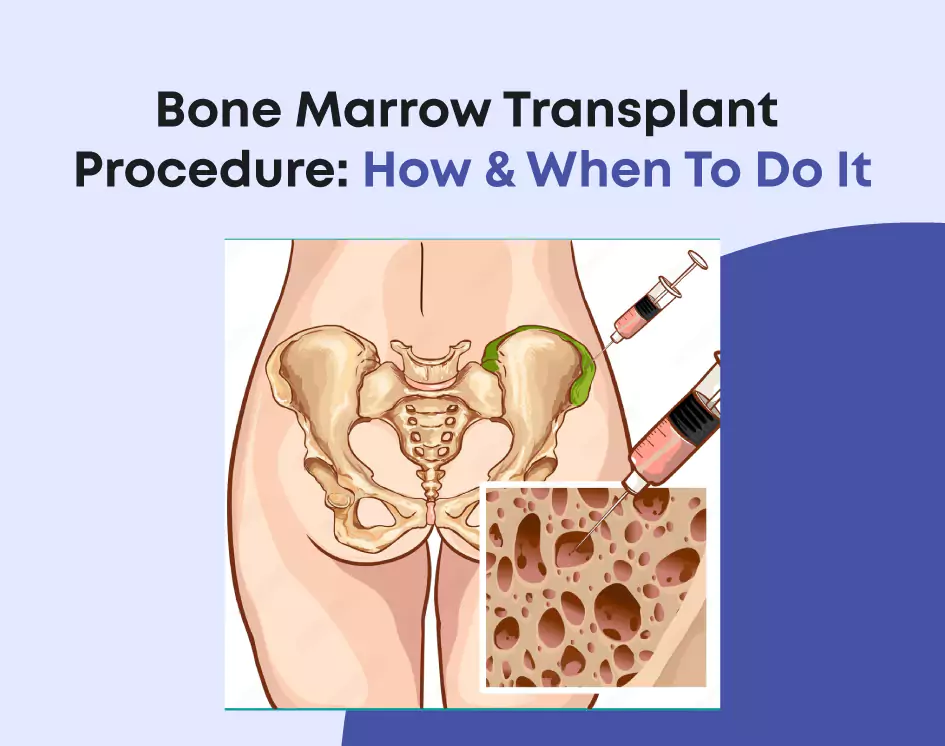
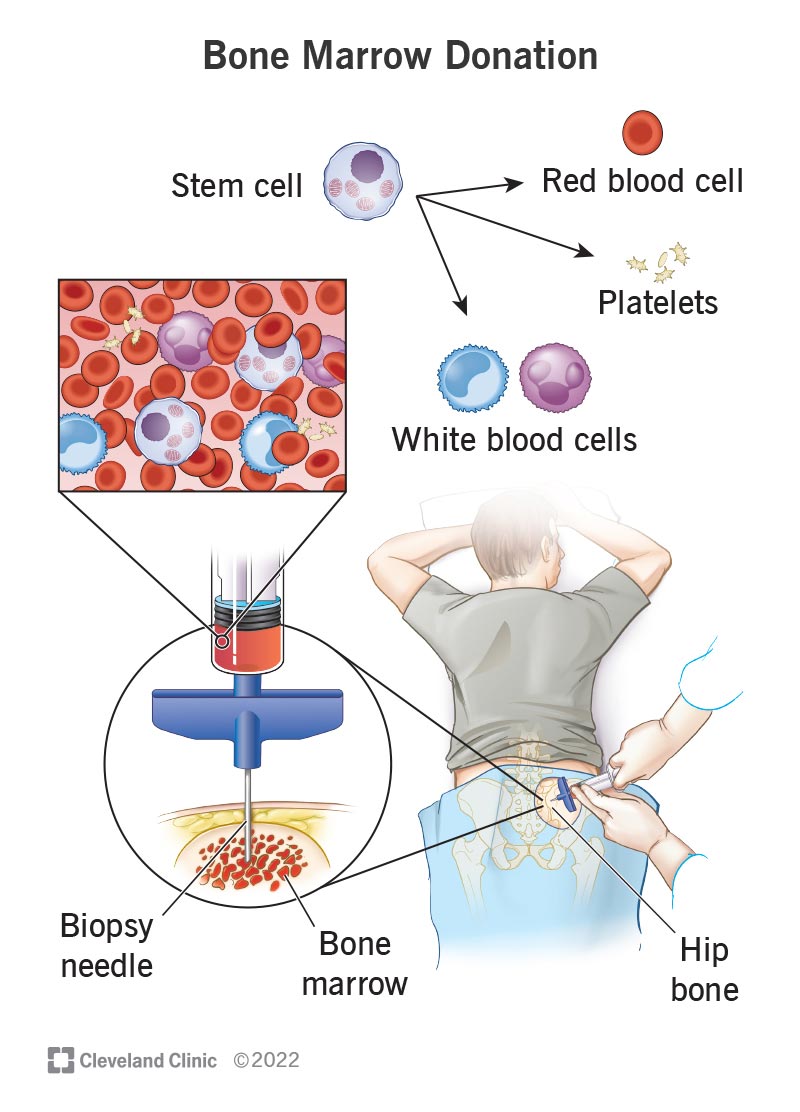
Bone marrow transplant is a medical procedure that replaces damaged or destroyed bone marrow with healthy cells. Bone marrow is the soft tissue inside bones that produces blood cells. When bone marrow is not working well, it can cause serious health problems. This transplant helps restore normal blood cell production and improves the body’s ability to fight diseases.
Types Of Transplants
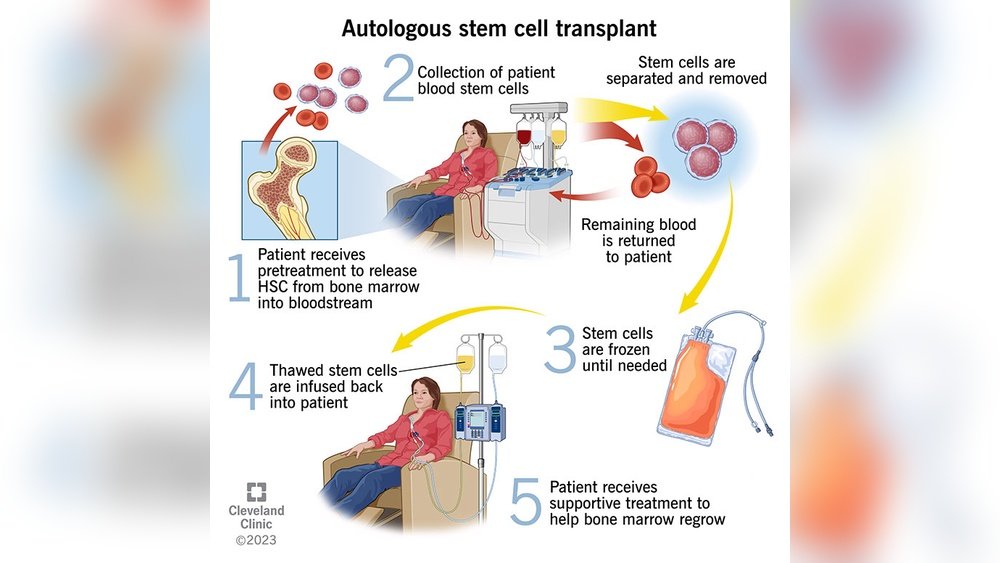
There are two main types of bone marrow transplants. The first is an autologous transplant. It uses the patient’s own healthy marrow cells. These cells are collected, stored, and then given back after treatment. The second type is an allogeneic transplant. It uses marrow cells from a donor. The donor can be a family member or someone else with a matching tissue type.
Role In Treating Diseases
Bone marrow transplants treat many serious diseases. They are often used for blood cancers like leukemia and lymphoma. The transplant replaces damaged cells with healthy ones. This helps the body make new blood cells. It also restores the immune system. Transplants can also treat some genetic disorders and bone marrow failure conditions. This procedure gives patients a chance to recover and live healthier lives.
Advances In Transplant Techniques
Bone marrow transplant has seen many improvements in recent years. These changes make transplants safer and more effective. Doctors use new methods to help patients recover faster. These advances reduce risks and improve success rates.
Better understanding of stem cells and conditioning methods helps doctors choose the best treatment. These steps prepare the body for transplant and support healing. Research continues to improve these techniques for many patients.
Stem Cell Sources
Stem cells can come from different places. Bone marrow, blood, and umbilical cord are common sources. Each source has benefits and challenges. Doctors pick the source based on patient needs and availability.
Peripheral blood stem cells are now widely used. They are easier to collect and help quick recovery. Cord blood stem cells are useful when a perfect match is hard to find. Advances in matching techniques improve transplant success.
Conditioning Regimens
Conditioning prepares the patient’s body for the new stem cells. It involves chemotherapy or radiation to clear unhealthy cells. New regimens are less harsh and cause fewer side effects.
Reduced-intensity conditioning allows older or weaker patients to receive transplants. This approach lowers risks and improves tolerance. Doctors carefully choose the regimen based on each patient’s health.
Matching Donors And Recipients
Matching donors and recipients is a key step in bone marrow transplants. The success of the transplant depends on how well the donor’s marrow matches the recipient’s. A good match lowers the risk of complications and improves recovery chances. This process involves detailed testing and searching through many potential donors.
Hla Typing Importance
HLA typing checks specific proteins on cells. These proteins help the body recognize its own cells. The closer the HLA match, the better the transplant outcome. Doctors test both donors and recipients to find the best match. Even small differences can cause the body to reject the transplant.
HLA stands for human leukocyte antigen. It is a group of genes important for immune system function. Matching these genes reduces the risk of graft-versus-host disease. This disease happens when donor cells attack the recipient’s body. Accurate HLA typing is essential for safe transplants.
Donor Registries
Donor registries store information about potential bone marrow donors. These registries help find matches for patients in need. Many countries have large registries to increase chances of finding a donor. People can join registries by giving a small blood sample or cheek swab.
Registries keep donors’ HLA types and contact details. When a patient needs a transplant, doctors search these databases. The best matches are then contacted for donation. Donor registries play a vital role in saving lives worldwide.
Credit: my.clevelandclinic.org
Risks And Complications
Bone marrow transplant can save lives but carries risks and complications. Understanding these helps patients prepare better. Doctors monitor closely to manage any problems that arise. Some risks may be serious and need quick action.
Graft Versus Host Disease
This condition happens when transplanted cells attack the patient’s body. It can affect skin, liver, and intestines. Symptoms include rash, diarrhea, and liver problems. Treatment involves medicines to calm the immune system. Early detection improves the chances of controlling it.
Infection Management
After transplant, the immune system is weak. Patients are more likely to get infections. Doctors give antibiotics and antifungal drugs to prevent illness. Patients must avoid crowds and sick people during recovery. Keeping clean and reporting symptoms early is crucial.
Success Stories And Outcomes
Bone marrow transplant offers hope to many patients with serious blood diseases. Success stories show how lives change after the procedure. These stories inspire patients and families to understand the benefits and challenges of transplant.
Outcomes vary depending on the disease, patient health, and transplant type. Doctors measure success by survival rates and quality of life improvements. Both factors are key to understanding the true impact of bone marrow transplant.
Survival Rates
Survival rates after bone marrow transplant have improved in recent years. Many patients live five years or more post-transplant. This improvement comes from better matching donors and advances in care.
Survival depends on the disease type and stage. For some cancers, survival rates reach 60% or higher. Early diagnosis and treatment increase the chances of success.
Quality Of Life Improvements
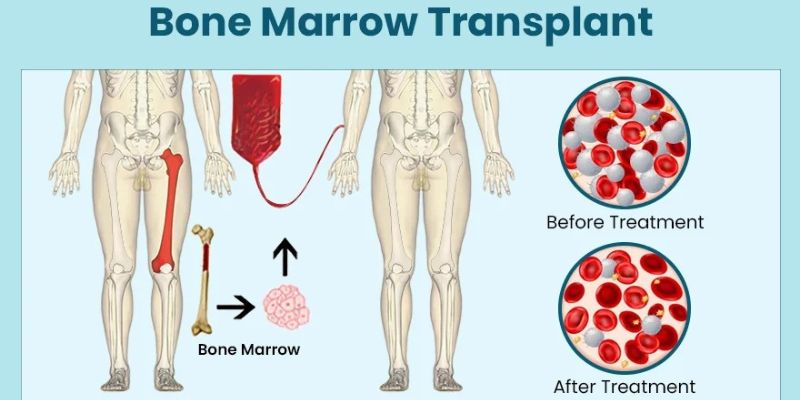
Bone marrow transplant can restore health and strength. Many patients return to normal activities within months. Energy levels improve as the new marrow produces healthy blood cells.
Patients often report better physical and emotional well-being. Supportive care helps manage side effects and speeds recovery. Life after transplant can be full and active again.
Credit: www.actioncancerhospital.com
Future Directions
Bone marrow transplant is evolving with new technology and research. These changes aim to make treatments safer and more effective. The future holds promise for many patients needing transplants. Scientists focus on two main areas to improve outcomes and reduce risks.
Advances in gene editing and personalized medicine bring hope. These methods could help doctors tailor treatments to each patient’s needs. The goal is to increase success rates and lower complications.
Gene Editing And Transplants
Gene editing allows precise changes to DNA in bone marrow cells. This can fix genetic problems causing blood disorders. Techniques like CRISPR help remove harmful mutations before transplant.
Edited cells may grow healthier and fight disease better. This reduces the chance of rejection and infection after transplant. Gene editing could also create better matches between donors and recipients. Research continues to ensure safety and effectiveness.
Personalized Medicine
Personalized medicine uses patient data to guide treatment plans. Doctors analyze genetics, health history, and disease type. This helps choose the best donor and medication options.
Personalized plans lower risks of graft-versus-host disease and other complications. They also improve recovery speed and quality of life. This approach treats each patient as unique, not one-size-fits-all.
Frequently Asked Questions
What Is A Bone Marrow Transplant?
A bone marrow transplant replaces damaged or destroyed bone marrow with healthy cells. It helps treat blood cancers and disorders. The procedure restores the body’s ability to produce healthy blood cells. It can be autologous (self-donor) or allogeneic (donor-based).
Who Needs A Bone Marrow Transplant?
Patients with leukemia, lymphoma, aplastic anemia, or other blood diseases often need this transplant. It is also used for certain genetic disorders and immune system conditions. Doctors recommend it when other treatments fail or the disease is severe.
How Is Bone Marrow Transplant Performed?
Healthy marrow is collected from a donor or the patient before chemotherapy. After treatment, the healthy marrow is infused into the patient’s bloodstream. The new cells migrate to the bone marrow and start producing blood cells.
What Are The Risks Of Bone Marrow Transplant?
Risks include infection, graft-versus-host disease, organ damage, and bleeding. The procedure requires close monitoring and supportive care to manage complications. Success depends on donor match and patient health.
Conclusion
Bone marrow transplant offers hope to many patients with serious diseases. The process can be challenging but often leads to better health. Doctors carefully match donors and recipients to improve success. Patients need support from family and medical teams throughout recovery.
Understanding the procedure helps reduce fear and confusion. Advances in treatment continue to make transplants safer and more effective. Staying informed and following medical advice improves outcomes. Bone marrow transplant remains a vital option for saving lives today.