
Cancer Treatment in Europe Vs Us
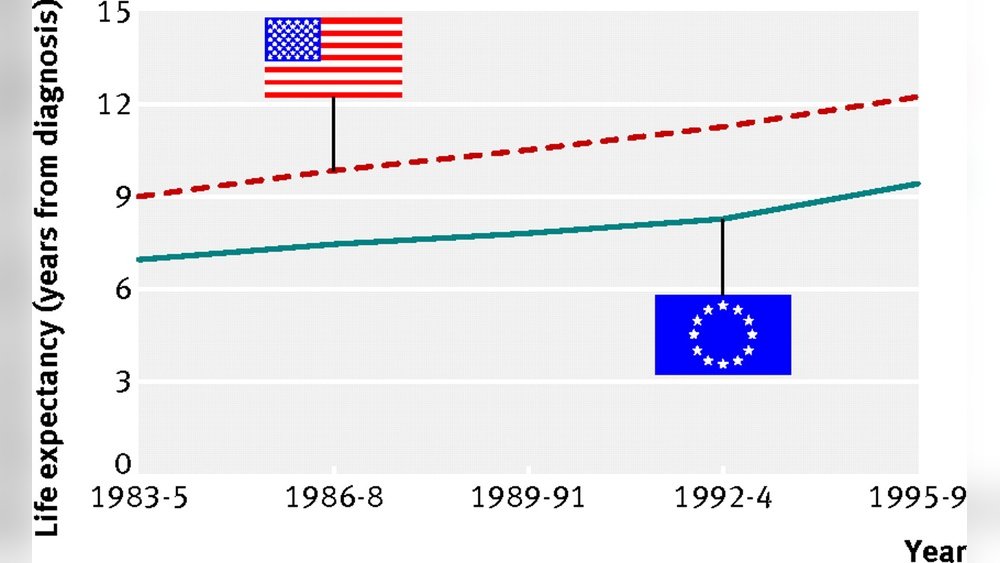
When it comes to cancer treatment, you want the best care possible, no matter where you are. But did you know that cancer treatment in Europe and the US can be quite different?
These differences could affect your options, costs, and even the quality of care you receive. Understanding what sets these two healthcare systems apart might help you make smarter choices for your health or that of a loved one. Keep reading to discover the key contrasts and find out which approach could work better for you.
Cancer Treatment Approaches
Cancer treatment varies between Europe and the US. Both regions use many of the same methods. Still, differences appear in techniques and protocols. These differences can affect patient experiences and outcomes. Understanding these approaches helps patients and families make informed choices.
Surgical Techniques
Surgery removes tumors and affected tissue. In Europe, minimally invasive surgeries are common. These cause less pain and faster recovery. The US also uses robotic surgery widely. Surgeons in both places focus on preserving healthy tissue. Surgery plans often depend on cancer type and stage.
Radiation Therapy
Radiation targets cancer cells with high-energy rays. Europe favors precision techniques like proton therapy in some centers. The US uses advanced machines to shape radiation beams. Both regions aim to limit damage to healthy cells. Treatment schedules may vary, but the goal is the same: destroy cancer cells effectively.
Chemotherapy Protocols
Chemotherapy uses drugs to kill cancer cells. Europe sometimes uses lower drug doses over longer periods. This approach can reduce side effects. The US tends to use higher doses in shorter cycles. Drug combinations also differ between regions. Doctors choose protocols based on cancer type and patient health.
Immunotherapy Advances
Immunotherapy helps the immune system fight cancer. The US leads in developing new immunotherapy drugs. Europe follows closely and integrates these treatments quickly. Both use checkpoint inhibitors and CAR-T cell therapy. Access to cutting-edge immunotherapy varies by country and healthcare system.
Healthcare Systems Impact
The healthcare system plays a big role in cancer treatment quality and experience. Europe and the US have very different systems. These differences affect how patients get care, pay for treatment, and how fast they receive help.
Each system has strengths and challenges. Understanding these can help patients and families make better choices. The following sections explain key factors that impact cancer treatment in both regions.
Insurance And Coverage
In the US, most cancer treatment depends on private insurance. Many people also use government programs like Medicare. Insurance plans vary a lot. Coverage limits and out-of-pocket costs can be high.
Europe relies mostly on public health systems. These systems cover cancer care for all citizens. Patients pay little or no money for treatment. This reduces financial stress for many families.
Access To Specialists
US patients often find specialists quickly, especially in cities. Private insurance can speed up referrals. Still, some rural areas lack expert doctors.
Europe has many specialists too. Access varies by country and region. Some places have long travel distances. Public systems sometimes limit specialist visits to control costs.
Treatment Costs
Cancer treatment costs in the US are among the highest worldwide. Patients may face large bills even with insurance. Medication prices and hospital fees add up fast.
European countries keep costs lower through government negotiation. Treatments are often free or low cost for patients. This helps reduce financial barriers to care.
Waiting Times
Waiting times in the US are usually shorter for cancer diagnosis and treatment. Private clinics offer faster appointments. Emergency cases get quick attention.
In Europe, waiting times can be longer. Public systems manage demand carefully. Delays in diagnosis and surgery happen but vary widely by country.
Clinical Trials And Research
Clinical trials and research play a key role in cancer treatment. They help doctors find new ways to fight cancer and improve patient care. Both Europe and the US invest heavily in cancer research. Yet, they differ in approach, funding, and rules. Understanding these differences can help patients and caregivers make better choices.
Funding Sources
In Europe, many cancer trials get money from government programs. The European Union also supports cross-border research. Private companies fund some studies, but public funding is strong. The US relies more on private funding. Big pharmaceutical companies invest heavily in clinical trials. The National Cancer Institute offers significant government grants. This mix drives fast research progress in the US.
Patient Participation
More patients join clinical trials in the US than in Europe. The US has well-known networks that recruit patients quickly. European countries have different healthcare systems, which can slow recruitment. Some patients hesitate due to language or cultural differences. The US often provides easier access to trials at large hospitals. Participation impacts how fast new treatments become available.
Innovative Therapies
The US leads in testing new cancer drugs and technologies. Many trials focus on immunotherapy and targeted treatments. Europe also studies these therapies but at a slower pace. Some European countries excel in personalized medicine research. Both regions share data to improve results. Innovation depends on funding, patient access, and regulations.
Regulatory Differences
Europe follows strict rules set by the European Medicines Agency. Each country adds its own regulations, causing delays. The US has a centralized system through the FDA. This speeds up drug approval and trial start times. Both systems protect patient safety but differ in process. Regulatory rules affect how quickly new treatments reach patients.

Credit: www.bmj.com
Patient Support Services
Patient support services play a vital role in cancer treatment. They help patients cope with the physical and emotional challenges of cancer. Both Europe and the US offer these services, but their approach can differ. Understanding these differences helps patients choose the best care for their needs.
Psychosocial Care
Psychosocial care supports patients’ mental and emotional health during treatment. In Europe, many hospitals provide free counseling and therapy. Support groups are common and often run by trained professionals. The US also offers these services but often through separate organizations. Insurance coverage varies, which can affect access to care.
Rehabilitation Programs
Rehabilitation helps patients regain strength and function after treatment. European centers often include physical therapy and occupational therapy as part of cancer care. These programs are usually covered by public health systems. In the US, rehab services are available but may require additional costs. Access depends on insurance plans and location.
Palliative Care Availability
Palliative care focuses on comfort and quality of life for advanced cancer patients. Europe integrates palliative care early in treatment across many hospitals. This care is often free or low-cost due to public funding. The US provides strong palliative care but mostly through specialized centers. Insurance coverage and out-of-pocket costs vary widely.
Survivorship Resources
Survivorship resources help patients after cancer treatment ends. Europe offers structured follow-up programs and education about healthy living. Many countries have national survivorship plans. In the US, survivorship care is growing but less uniform. Resources include online tools and community programs, which may depend on the patient’s insurance.
Outcomes And Survival Rates
Cancer treatment outcomes and survival rates vary between Europe and the US. Both regions have advanced healthcare systems. They use modern technology and treatments. Still, differences exist in detection, care, and patient support.
These differences affect how well patients respond to treatment. They also influence long-term survival and quality of life. Understanding these factors helps improve cancer care worldwide.
Early Detection Impact
Early cancer detection improves survival chances. Europe has widespread screening programs for many cancers. This leads to finding cancer at earlier, treatable stages. The US also has strong screening but uses different guidelines.
Early detection means smaller tumors and less spread. Treatment works better, and patients live longer. Both regions focus on raising awareness for early testing.
Treatment Effectiveness
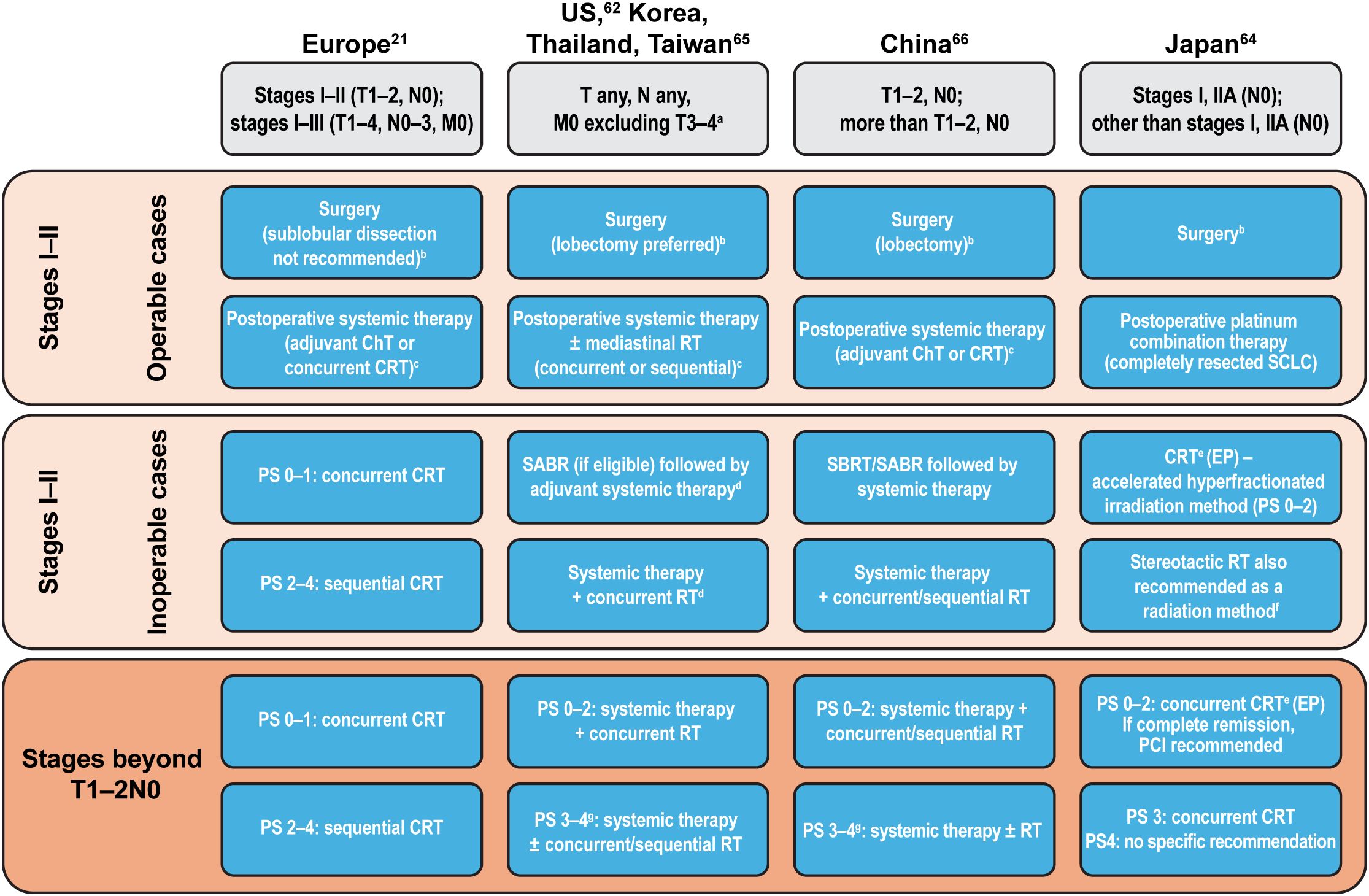
Treatment methods in Europe and the US are similar but vary in approach. The US often uses newer drugs quickly after approval. Europe may take longer to adopt new treatments.
Both regions use surgery, chemotherapy, radiation, and immunotherapy. Effectiveness depends on cancer type, stage, and patient health. Survival rates reflect these treatment differences.
Quality Of Life
Quality of life during and after treatment is a priority. European care emphasizes patient support and comfort. Many hospitals provide psychological help and pain management.
The US invests heavily in supportive care too. Programs help patients manage side effects and maintain daily activities. Both regions work to reduce treatment impact on life.
Long-term Monitoring
Long-term monitoring detects recurrence and manages late effects. Europe often has structured follow-up programs. These include regular check-ups and tests.
The US offers personalized monitoring plans based on risk. Both focus on keeping survivors healthy and catching problems early. This approach helps improve survival and life quality.

Credit: www.ajmc.com
Credit: www.frontiersin.org
Frequently Asked Questions
What Are Key Differences In Cancer Treatment Between Europe And Us?
Europe often emphasizes personalized, multidisciplinary care with public healthcare access. The US focuses on advanced technology and private insurance options for quicker access and novel therapies.
How Does Cancer Treatment Cost Compare In Europe And Us?
Cancer treatment costs are generally lower in Europe due to government-subsidized healthcare. In the US, costs tend to be higher because of private insurance and treatment pricing variability.
Which Region Offers Better Cancer Survival Rates, Europe Or Us?
Both regions have high survival rates, but differences exist by cancer type. The US leads in early diagnosis; Europe excels in holistic care and long-term management.
Are Innovative Cancer Therapies More Available In Europe Or The Us?
The US often leads in rapid access to new treatments and clinical trials. Europe may have slower approval but emphasizes safety and cost-effectiveness before widespread use.
Conclusion
Cancer treatment in Europe and the US both offer strong options. Each has unique approaches and resources. Patients may choose based on cost, technology, or care style. Access to new medicines can differ between regions. Support systems also vary from place to place.
Understanding these differences helps patients make smart choices. Always talk to doctors about the best plan. Health and comfort matter most during treatment. Both continents work hard to improve cancer care. The right treatment depends on personal needs and goals.