
Heart Bypass: Life-Saving Facts You Need to Know Today
Your heart works hard every second to keep you alive. But what happens when the pathways that feed your heart start to clog?
That’s where a heart bypass comes in—a life-changing surgery that can restore blood flow and give your heart a fresh start. If you’ve been worried about chest pain, fatigue, or your heart health in general, understanding heart bypass surgery can make all the difference.
Keep reading to discover what this procedure involves, how it can benefit you, and what to expect before and after surgery. Your heart deserves the best care, and knowing your options is the first step.
Credit: www.thekeyholeheartclinic.com
What Is Heart Bypass Surgery
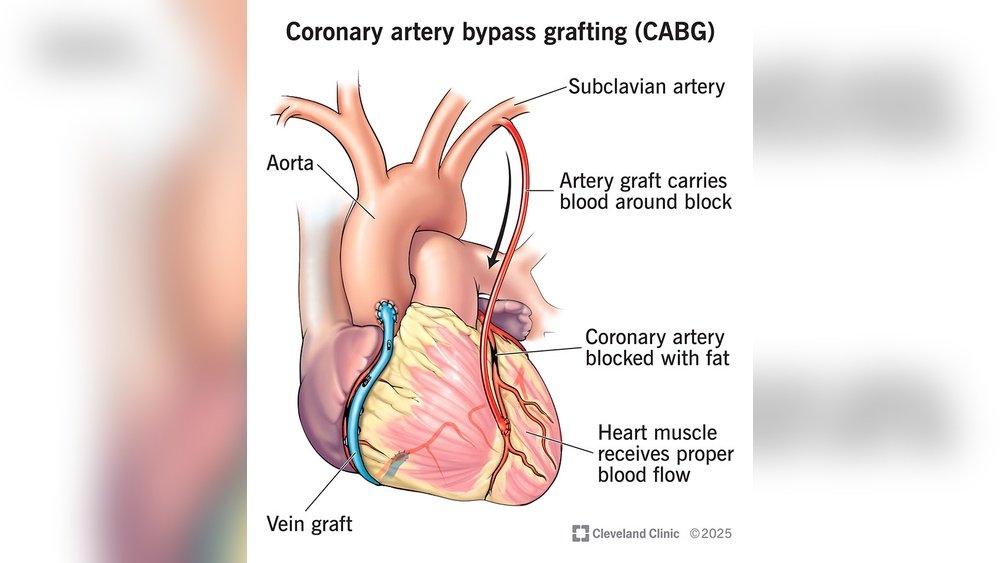
Heart bypass surgery is a medical procedure that helps improve blood flow to the heart. It is used when arteries become blocked or narrow. This blockage reduces the blood supply, causing chest pain or heart problems. The surgery creates a new path for blood to reach the heart muscle. It can relieve symptoms and lower the risk of heart attack.
How It Works
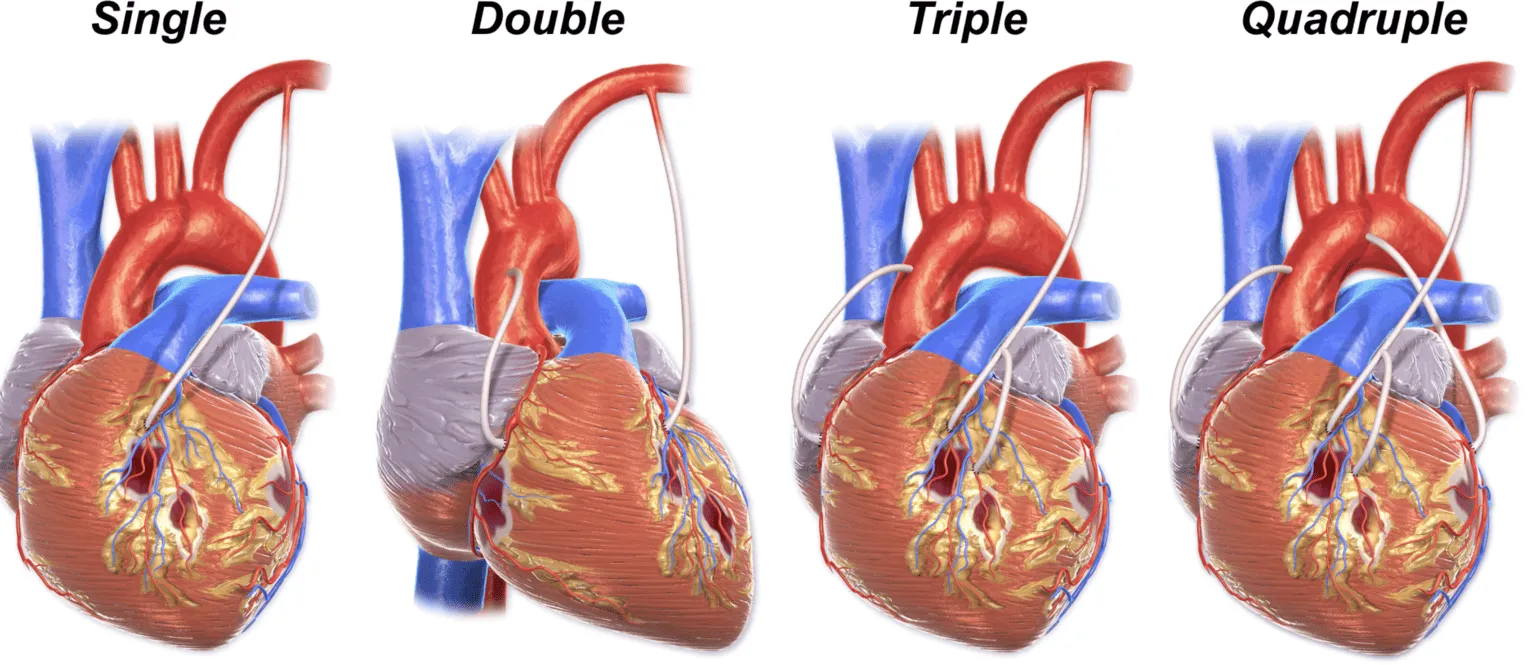
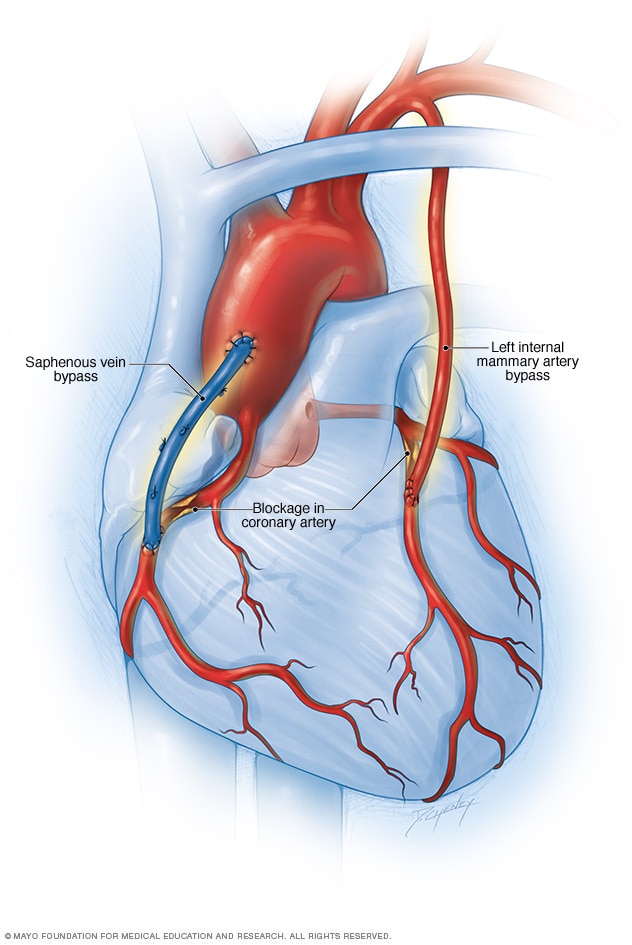
During heart bypass surgery, a surgeon takes a healthy blood vessel from another body part. This vessel is usually from the leg, arm, or chest. The surgeon attaches it to the blocked artery. The new vessel bypasses the blocked section, allowing blood to flow freely. This restores oxygen and nutrients to the heart muscle. The operation usually takes several hours and requires a hospital stay.
Common Reasons For Surgery
Heart bypass surgery is common for people with coronary artery disease. This disease causes arteries to narrow due to plaque buildup. Chest pain, known as angina, often signals the need for surgery. Patients with severe artery blockages or those at high risk of heart attack benefit from this procedure. It also helps when other treatments, like medication or angioplasty, do not work well.
Types Of Heart Bypass Procedures
Heart bypass surgery helps restore blood flow to the heart. Different types of procedures exist to meet patient needs. Each type has unique methods and benefits. Understanding these options can ease concerns about the surgery.
Doctors choose the best approach based on the patient’s health and the heart’s condition. The main types include traditional open-heart surgery and minimally invasive techniques. Both aim to improve heart function and reduce symptoms.
Traditional Open-heart Surgery
This method uses a large chest incision to access the heart. Surgeons stop the heart and use a heart-lung machine. They create new pathways for blood by grafting vessels around blockages. This approach allows doctors to work directly on the heart.
Recovery takes weeks, but this surgery suits complex cases. It remains the most common type of heart bypass procedure worldwide.
Minimally Invasive Techniques
These newer methods use smaller cuts and special tools. Surgeons operate without stopping the heart or using a heart-lung machine. This reduces pain and speeds up recovery time.
Minimally invasive bypass suits patients with fewer blockages or specific heart problems. It lowers risks of infection and shortens hospital stays. Not all patients qualify, but it is growing in popularity.
Who Needs A Heart Bypass
Heart bypass surgery helps restore blood flow to the heart. It is needed when arteries become blocked or narrowed. This blockage reduces oxygen supply to the heart muscle. People with severe chest pain or heart damage often need this surgery.
Doctors decide on bypass surgery after careful tests. They look for signs that medicine or other treatments won’t work well. The goal is to prevent heart attacks and improve life quality. Understanding symptoms and risk factors helps identify who needs this surgery.
Symptoms Indicating Surgery
Chest pain or pressure is a key symptom. It may happen during exercise or stress. Shortness of breath is another warning sign. Feeling tired easily or fainting can also indicate heart issues. Some people experience pain in the neck, jaw, or arms. These symptoms suggest the heart is not getting enough oxygen.
Risk Factors Involved
High blood pressure damages arteries over time. Diabetes increases the risk of artery blockage. Smoking harms blood vessels and worsens heart health. High cholesterol causes fatty deposits inside arteries. Family history of heart disease raises the chance of problems. Being overweight and inactive also increase risk. Managing these factors can reduce the need for surgery.
Preparing For The Surgery
Preparing for heart bypass surgery is a crucial step toward a successful operation and smooth recovery. Understanding what to expect and making the right changes before surgery can improve outcomes. This phase involves careful medical checks and some lifestyle shifts.
Medical Tests And Evaluations
Doctors perform several tests to assess heart health. These tests include blood work, chest X-rays, and electrocardiograms (EKG). Sometimes, an angiogram is done to see blood flow in the heart. These exams help doctors plan the surgery safely.
Patients may also need lung function tests and kidney evaluations. Doctors review all results to identify risks. This process ensures the surgical team is well-prepared.
Lifestyle Adjustments Before Surgery
Small changes in daily habits can aid healing. Patients should stop smoking to improve lung function. Eating healthy foods supports heart strength. Avoid heavy meals before surgery day.
Light exercise, as advised by a doctor, keeps the body ready. Stress reduction techniques like deep breathing help calm nerves. Following these tips prepares the body for surgery and recovery.
What To Expect During Surgery
Heart bypass surgery helps restore blood flow to the heart. It is a common procedure for patients with blocked arteries. Knowing what to expect during surgery can ease anxiety. The process involves careful steps and expert care.
Step-by-step Procedure
The surgeon starts by making an incision in the chest. This opens the chest to reach the heart. Next, a healthy blood vessel is taken from the leg, arm, or chest. This vessel will bypass the blocked artery.
The surgeon attaches one end of the vessel above the blockage. The other end is connected below it. This creates a new path for blood to flow. The heart may be stopped temporarily, and a heart-lung machine takes over. Once the grafts are in place, the heart restarts. The chest is then closed with stitches or staples.
Duration And Anesthesia
Heart bypass surgery usually takes three to six hours. The exact time depends on how many arteries need bypassing. Patients receive general anesthesia to stay asleep and pain-free. An anesthesiologist monitors vital signs throughout the operation. After surgery, patients move to the recovery room. Nurses and doctors watch closely for any problems.
Recovery And Rehabilitation
Recovery and rehabilitation after a heart bypass are very important. They help the heart heal and get stronger. The process takes time and care. Patients must follow medical advice closely. This helps avoid problems and improves health.
Hospital Stay And Initial Care
After the surgery, patients stay in the hospital for several days. Doctors and nurses watch the heart closely. They check vital signs and manage pain. Patients may have tubes and monitors attached. Early movement, like sitting up, starts soon. This helps prevent complications like blood clots.
Doctors give medicines to prevent infection and control blood pressure. Nurses teach patients how to breathe deeply and cough gently. These actions clear the lungs. Patients learn about wound care before leaving the hospital.
Physical Therapy And Lifestyle Changes
Physical therapy begins soon after hospital discharge. Therapists guide gentle exercises to improve strength and stamina. Walking is often the first activity. It helps the heart adjust to more work. Therapy focuses on safe, steady progress.
Lifestyle changes support recovery and heart health. Eating healthy foods, quitting smoking, and managing stress are key. Patients are encouraged to maintain a healthy weight. Regular check-ups track progress and adjust treatment. These steps help keep the heart strong for the future.
Risks And Complications
Heart bypass surgery is a common procedure to improve blood flow to the heart. Like any surgery, it carries some risks and possible complications. Understanding these risks helps patients prepare and recognize problems early.
Doctors take many steps to reduce risks during and after surgery. Still, some side effects and complications can occur. Knowing what to expect makes recovery safer and smoother.
Common Side Effects
After heart bypass surgery, many patients feel tired and weak. Pain or discomfort near the chest is normal. Swelling and bruising can happen around the incision area.
Some may experience irregular heartbeats. Mild fever and inflammation may also occur. These side effects usually improve with rest and medication.
When To Seek Medical Help
Seek medical help if you have severe chest pain or shortness of breath. High fever lasting more than a day is a warning sign. Swelling, redness, or pus at the incision may signal infection.
Sudden weakness, confusion, or numbness in limbs needs urgent care. Excessive bleeding or fluid build-up around the chest also requires prompt attention. Early treatment can prevent serious problems.

Credit: www.nhlbi.nih.gov
Long-term Outlook After Bypass
Heart bypass surgery can save lives and improve quality of life. Patients often wonder about the long-term results. Knowing what to expect helps with recovery and future care. The outlook depends on many factors, including age and lifestyle. This section covers survival rates and ways to keep the heart healthy after surgery.
Survival Rates And Success
Many patients live 10 years or more after bypass surgery. Success rates have improved with better surgical techniques. Most people experience less chest pain and better heart function. The risk of heart attack drops significantly after the operation. Regular check-ups can detect problems early and improve survival.
Maintaining Heart Health Post-surgery
Healthy habits are key to long-term success. Eating a balanced diet helps keep arteries clear. Daily exercise strengthens the heart and improves blood flow. Avoid smoking and limit alcohol to protect your heart. Taking prescribed medicines as directed is crucial. Stress management also supports heart health and overall well-being.
Advances In Heart Bypass Surgery
Heart bypass surgery has seen many changes over the years. These advances help doctors perform safer and quicker operations. Patients now recover faster and face fewer risks. The focus lies on better tools and new methods. These improvements aim to save more lives and improve heart health.
New Technologies
Robotic systems assist surgeons with precision. Small cameras give a clear view inside the chest. This helps avoid large cuts and reduces pain. Special machines now support the heart during surgery. This keeps blood flowing and lowers risk. New graft materials improve the success of bypasses. These materials last longer and work better with the body.
Future Trends
Minimally invasive surgery will become more common. This means smaller cuts and faster healing. Computer-guided tools will help plan each surgery. Personalized treatments will suit each patient’s condition. Stem cell research may help repair heart tissues. Artificial intelligence could predict surgery outcomes. These trends aim to make heart bypass safer and easier for all.
Credit: www.mayoclinic.org
Frequently Asked Questions
What Is A Heart Bypass Surgery?
Heart bypass surgery reroutes blood around blocked arteries. It improves blood flow and oxygen to the heart muscle. This reduces chest pain and lowers heart attack risk.
How Long Does Heart Bypass Recovery Take?
Recovery usually takes 6 to 12 weeks. Patients gradually resume normal activities. Full healing depends on age and overall health.
What Are Common Risks Of Heart Bypass?
Risks include infection, bleeding, and heart rhythm problems. Stroke and kidney issues can also occur. Doctors monitor patients closely to minimize complications.
Who Needs A Heart Bypass?
Patients with severe coronary artery blockages need bypass. It’s recommended when medications or angioplasty don’t work. Your cardiologist decides based on tests and symptoms.
Conclusion
Heart bypass surgery helps improve blood flow to the heart. It can reduce chest pain and lower heart attack risks. Recovery takes time, but many patients return to normal life. Healthy habits after surgery keep the heart strong. Regular check-ups and medicine are important too.
Understanding the process eases fears and boosts confidence. Taking care of your heart is a lifelong journey. Small changes make a big difference in heart health. Stay informed and follow your doctor’s advice closely. Your heart deserves the best care every day.