
Kidney Transplant: Life-Changing Facts You Need to Know
Are you or someone you care about facing kidney failure? A kidney transplant could be the life-changing solution you need.
Understanding what a kidney transplant involves can help you feel more confident and prepared. This article will guide you through the key facts, what to expect, and how this procedure can improve your quality of life. Keep reading to discover how a kidney transplant might be the answer you’ve been searching for.
Credit: www.niddk.nih.gov
Kidney Transplant Basics
A kidney transplant is a medical treatment for people with severe kidney failure. It can improve quality of life and increase lifespan. Understanding the basics helps patients and families prepare for the process.
This section explains what a kidney transplant is, when it is needed, and the types available.
What Is A Kidney Transplant
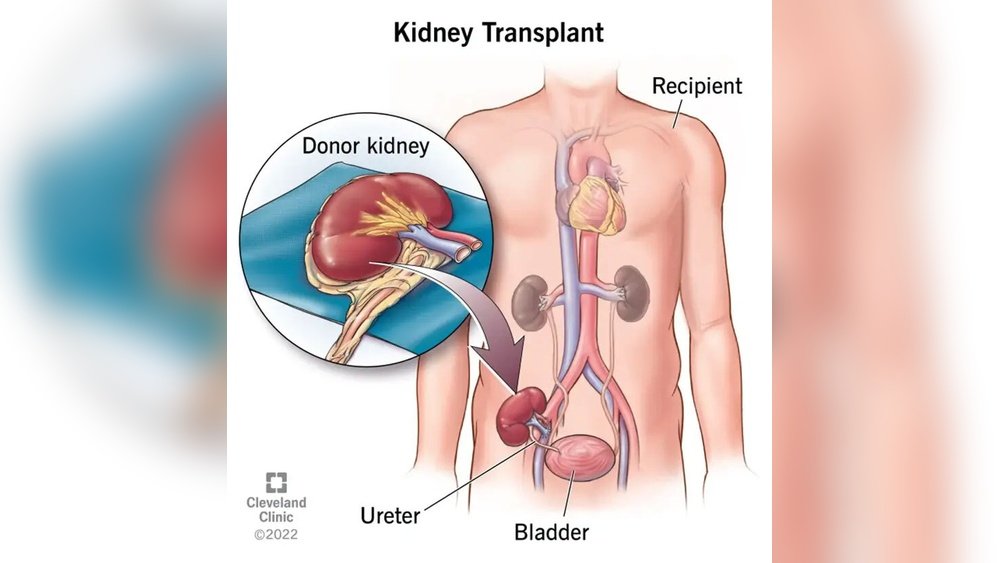
A kidney transplant is an operation that replaces a damaged kidney with a healthy one. The healthy kidney comes from a living or deceased donor. The new kidney takes over the work of filtering blood and making urine. This helps the body remove waste and extra fluid.
When Is It Needed
A kidney transplant is needed when kidneys fail to work properly. This condition is called end-stage renal disease (ESRD). Dialysis may not be enough to keep the patient healthy. Transplant is considered when kidney function is very low or the patient has severe symptoms. It helps avoid complications and improves life quality.
Types Of Kidney Transplants
There are two main types of kidney transplants. The first is from a living donor, often a family member or friend. This type usually works better and lasts longer. The second type is from a deceased donor, someone who has recently died and donated their kidney. Both types require matching blood and tissue types to reduce rejection risks.
Eligibility And Evaluation
Understanding eligibility and evaluation is the first step in a kidney transplant. Doctors need to check many health details. This helps decide if a transplant is safe and likely to succeed.
The process also ensures the patient is ready for surgery and life after transplant. Careful tests and checks protect both the patient and the donor.
Who Qualifies For Transplant
People with severe kidney failure often qualify for a transplant. Age, general health, and other diseases matter. Doctors check if the patient can handle surgery and medicines.
Patients with infections or cancer may need treatment first. The transplant team looks at heart and lung health too. Mental health and support systems play a role in approval.
Pre-transplant Testing
Testing includes blood work, imaging, and heart checks. Blood tests find infections and check organ function. Imaging scans show the condition of kidneys and other organs.
Heart tests like EKG or stress tests are common. Doctors also assess lung function and overall fitness. These tests help avoid problems during and after surgery.
Matching Donors And Recipients
Matching is key for transplant success. Blood type and tissue compatibility must align. This reduces the chance of organ rejection.
Doctors use special tests to find the best match. Living donors often have a better match. Waiting lists help match patients with deceased donors.
The Transplant Procedure
A kidney transplant is a major surgery that replaces a damaged kidney with a healthy one. This procedure helps people with kidney failure live longer and feel better. Understanding the transplant procedure helps patients prepare for the journey ahead.
The process starts with careful testing to find a matching donor kidney. Once a match is found, the surgery is scheduled. The transplant team works to ensure everything is ready for a safe operation.
Surgical Steps
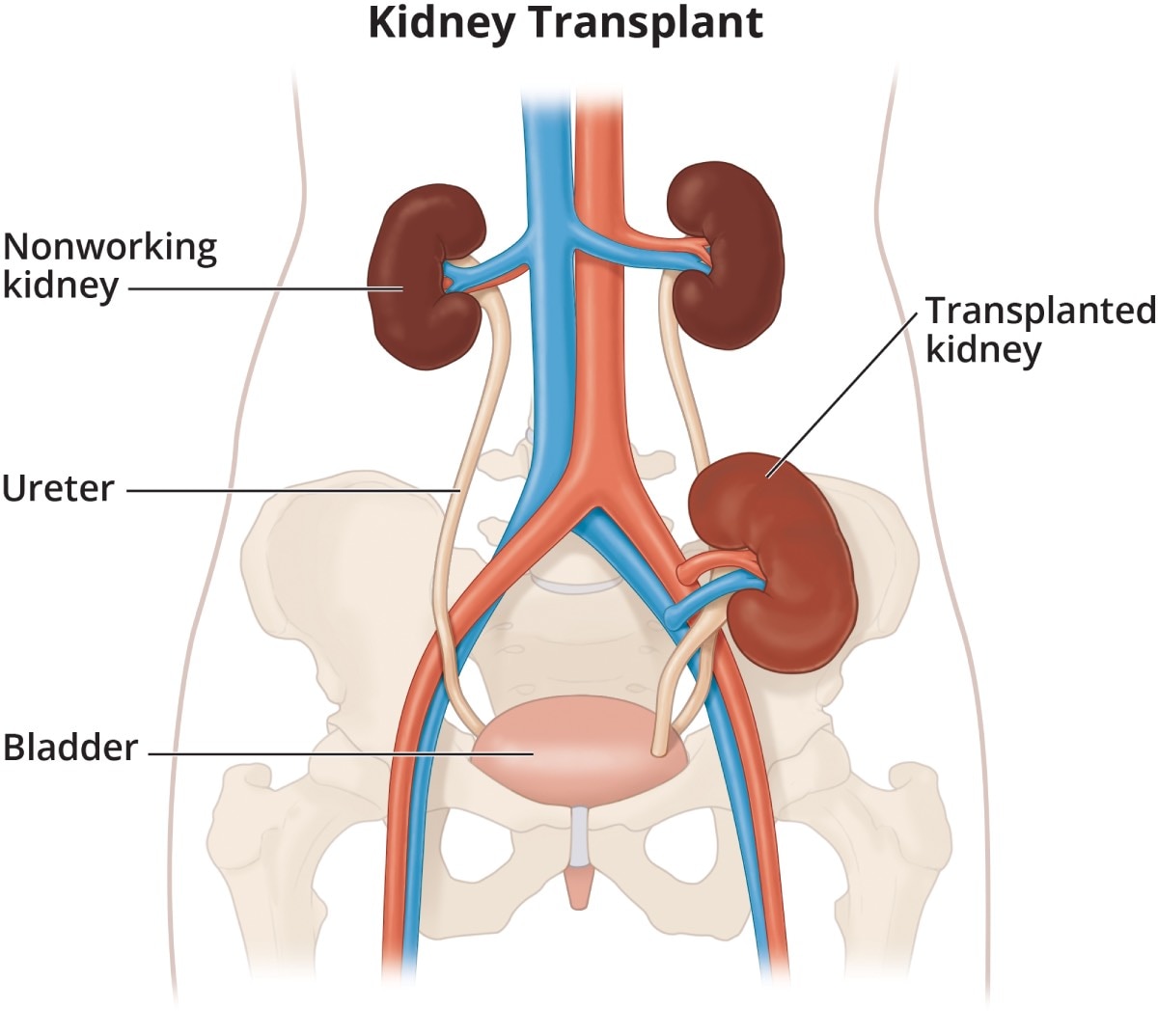
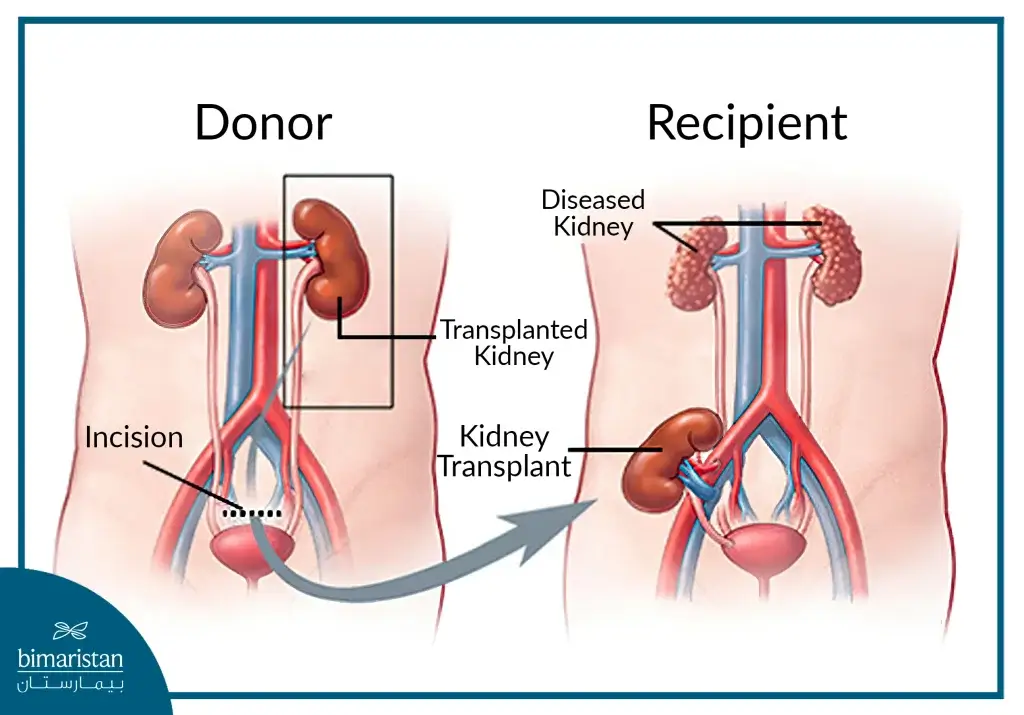
The surgery takes about three to four hours. Doctors make a small cut on the lower abdomen. The new kidney is placed in this area. The blood vessels from the donor kidney connect to the patient’s blood vessels. The ureter, a tube from the kidney, attaches to the bladder. The old kidneys usually stay in place unless there is a medical reason to remove them.
Hospital Stay And Recovery
Patients usually stay in the hospital for about one to two weeks. Nurses monitor vital signs and kidney function closely. Medicines are given to prevent the body from rejecting the new kidney. Walking and light activities start soon to help recovery. Full recovery can take several weeks to months. Follow-up visits are important to check progress.
Possible Risks And Complications
All surgeries carry risks. Infection and bleeding can happen during or after surgery. The body may reject the new kidney. Doctors use medicines to reduce rejection risk. Side effects from medicines include nausea and swelling. Long-term risks include high blood pressure and diabetes. Early detection and care can manage most complications.
Post-transplant Care
After a kidney transplant, careful care is very important. It helps the new kidney work well and keeps the body healthy. Patients must follow specific steps to protect the kidney and avoid problems. Understanding these steps can make recovery easier and safer.
Medications And Immunosuppression
Patients take medicines to stop the body from rejecting the new kidney. These drugs lower the immune system’s response. It is vital to take them every day without missing doses. Doctors adjust the medicines to find the right balance. Too little can cause rejection; too much can cause infections.
Lifestyle Adjustments
Healthy habits support the new kidney’s function. Eating balanced meals with low salt helps control blood pressure. Regular exercise strengthens the body and improves mood. Avoid smoking and limit alcohol to protect kidney health. Cleanliness and safe food practices reduce infection risks.
Monitoring For Rejection
Doctors watch for signs that the body might reject the kidney. Regular blood tests check kidney function and medication levels. Patients report symptoms like fever, pain, or swelling to their doctor. Early detection allows quick treatment and protects the transplant. Staying alert to changes is crucial for success.
Living Donor Vs Deceased Donor
Kidney transplant offers hope for people with kidney failure. Two main sources exist for kidney donors: living donors and deceased donors. Each type has unique benefits and challenges. Understanding the differences helps patients and families make informed choices. Below, explore the key aspects of living and deceased kidney donors.
Advantages Of Living Donors
Living donors provide kidneys that often last longer. Surgery can be scheduled, reducing wait times. This allows better planning and preparation for the patient. Living donor kidneys usually work faster after transplant. The risk of rejection is lower compared to deceased donor kidneys. Many recipients recover quicker and return to normal life sooner.
Donation Process
Living donor donation involves careful health checks. Donors must be healthy and free from kidney disease. The surgery removes one kidney, leaving the donor with one healthy kidney. Recovery time is usually a few weeks. Deceased donor kidneys come from people who have recently died. These kidneys are matched carefully to recipients. Surgery happens soon after donation to keep the kidney healthy.
Ethical Considerations
Living donation raises questions about donor safety and consent. Donors must understand risks and give clear permission. Medical teams protect donors’ health before and after surgery. Deceased donation depends on consent given before death or by family. Respecting the wishes of donors and families is critical. Transparency and fairness guide the entire transplant process.
Impact On Quality Of Life
A kidney transplant often brings significant changes to a person’s quality of life. This medical procedure can improve daily living by restoring kidney function. Many patients experience better health and greater freedom after the transplant. Life feels more normal without constant dialysis. The impact goes beyond physical health, touching emotional and long-term well-being.
Physical Health Improvements
A successful kidney transplant often ends the need for dialysis. Patients gain more energy and strength. They can eat a wider range of foods and enjoy better nutrition. Physical activity becomes easier, helping maintain a healthy weight. The risk of complications linked to kidney failure decreases. Overall, many feel healthier and more active.
Emotional And Mental Health
A new kidney can reduce stress and anxiety. Patients often feel relief from the burden of illness. Improved health leads to better mood and self-esteem. Social life can improve as energy returns. Many report feeling hopeful and motivated. Mental clarity also tends to increase after transplant.
Long-term Outlook
Kidney transplants can extend life expectancy. Patients usually have fewer hospital visits. The risk of severe kidney-related problems drops. Long-term medication helps keep the new kidney healthy. Regular follow-ups support ongoing well-being. Many people live full, active lives for years after transplant.
Common Myths And Facts
Kidney transplant is a life-saving procedure for many people with kidney failure. Despite its success, many myths surround it. These myths create fear and confusion. Understanding the truth helps patients make better decisions. This section clears up common myths and shares real facts about kidney transplants.
Debunking Misconceptions
Some believe kidney transplants always fail quickly. This is false. Many transplanted kidneys work well for years. Another myth says only old people can donate kidneys. In reality, donors can be young or middle-aged adults. Some think kidney transplant means no more health problems. This is not true. Patients need lifelong care and medicine. Myths about pain during surgery scare many, but modern surgery is safe and controlled. These wrong ideas should not stop anyone from seeking help.
True Benefits And Risks
A kidney transplant can improve life quality and energy. It lets patients return to normal activities. Transplants reduce the need for dialysis, which can be tiring. Risks exist, like infection or organ rejection. Medicines help prevent rejection but may cause side effects. Surgery risks include bleeding or complications, but these are rare. Knowing both benefits and risks helps patients prepare well for the transplant journey.
Credit: bi-maristan.com
Advances In Kidney Transplant
Kidney transplant has seen many advances in recent years. These improvements help patients live longer and healthier lives. New methods reduce risks and speed up recovery. The field keeps evolving with better technology and research.
Understanding these advances helps patients and families feel more hopeful. It shows how medicine works to solve complex problems step by step.
Innovative Techniques
Surgeons now use minimally invasive surgery for kidney transplants. Smaller cuts mean less pain and faster healing. Robotic systems help doctors operate with great precision. This reduces damage to nearby tissues. Doctors also use better ways to match donors and recipients. This lowers the chance of organ rejection.
Future Trends
Scientists explore ways to grow kidneys in the lab. This could ease the shortage of donor organs. New drugs are being tested to improve transplant success. Artificial intelligence helps predict patient outcomes. Personalized medicine tailors treatment for each patient. These trends show promise for better care soon.
Research And Clinical Trials
Research studies test new treatments and methods for kidney transplants. Clinical trials check safety and effectiveness before wide use. Many trials focus on improving immune system control. Others explore ways to repair damaged kidneys. Patients in trials get access to latest treatments. This research drives steady progress in kidney care.

Credit: www.health.harvard.edu
Frequently Asked Questions
What Is A Kidney Transplant?
A kidney transplant is a surgical procedure replacing a diseased kidney with a healthy one. It improves kidney function and quality of life for patients with kidney failure.
Who Is Eligible For A Kidney Transplant?
Patients with end-stage kidney disease or severe kidney failure qualify. Eligibility depends on overall health, age, and absence of infections or cancer.
How Long Does Kidney Transplant Surgery Take?
The surgery typically lasts three to four hours. Recovery time varies but usually involves a hospital stay of about one week.
What Are The Risks Of Kidney Transplant?
Risks include infection, rejection, blood clots, and side effects from immunosuppressant drugs. Close monitoring helps manage these risks effectively.
Conclusion
A kidney transplant can greatly improve life quality. It helps people with kidney failure live longer and healthier. The process needs careful planning and good medical care. Patients must follow doctors’ advice to stay well. Support from family and friends is very important too.
Understanding the transplant journey makes it less scary. Every step counts toward a successful recovery. Kidney transplant offers hope and a fresh start.