Cancer Patient Guide: Best Cancer Hospitals & Treatment Costs India vs China
If you or a loved one is facing cancer, finding the right treatment can feel overwhelming. You want the best care, expert doctors, and a hospital that puts your health first.
But where should you go? India and China have become top choices for cancer treatment, offering advanced technology and skilled specialists. You might wonder about the cost, quality, and which hospital stands out as the best. This article will help you understand your options clearly, compare the best cancer hospitals in India and China, and guide you through the cost of cancer treatment.
Keep reading to make an informed decision that could change your life.

Credit: bi-maristan.com
Cancer Patient Journey
The journey of a cancer patient is complex and challenging. It involves multiple stages, from initial symptoms to diagnosis, treatment, and recovery. Many patients seek cancer treatment in India and China due to advanced medical facilities and affordable costs. Both countries offer some of the best cancer hospitals known for expert care and modern technology. Understanding this journey helps patients and families prepare for the road ahead. The experience varies but often includes physical, emotional, and financial challenges. Knowing the common cancer types, symptoms, and the impact of the disease can ease the process and provide clarity for patients seeking treatment in India or China.
Common Cancer Types
Cancer affects different parts of the body, but some types occur more frequently. In India and China, the most common cancers include:
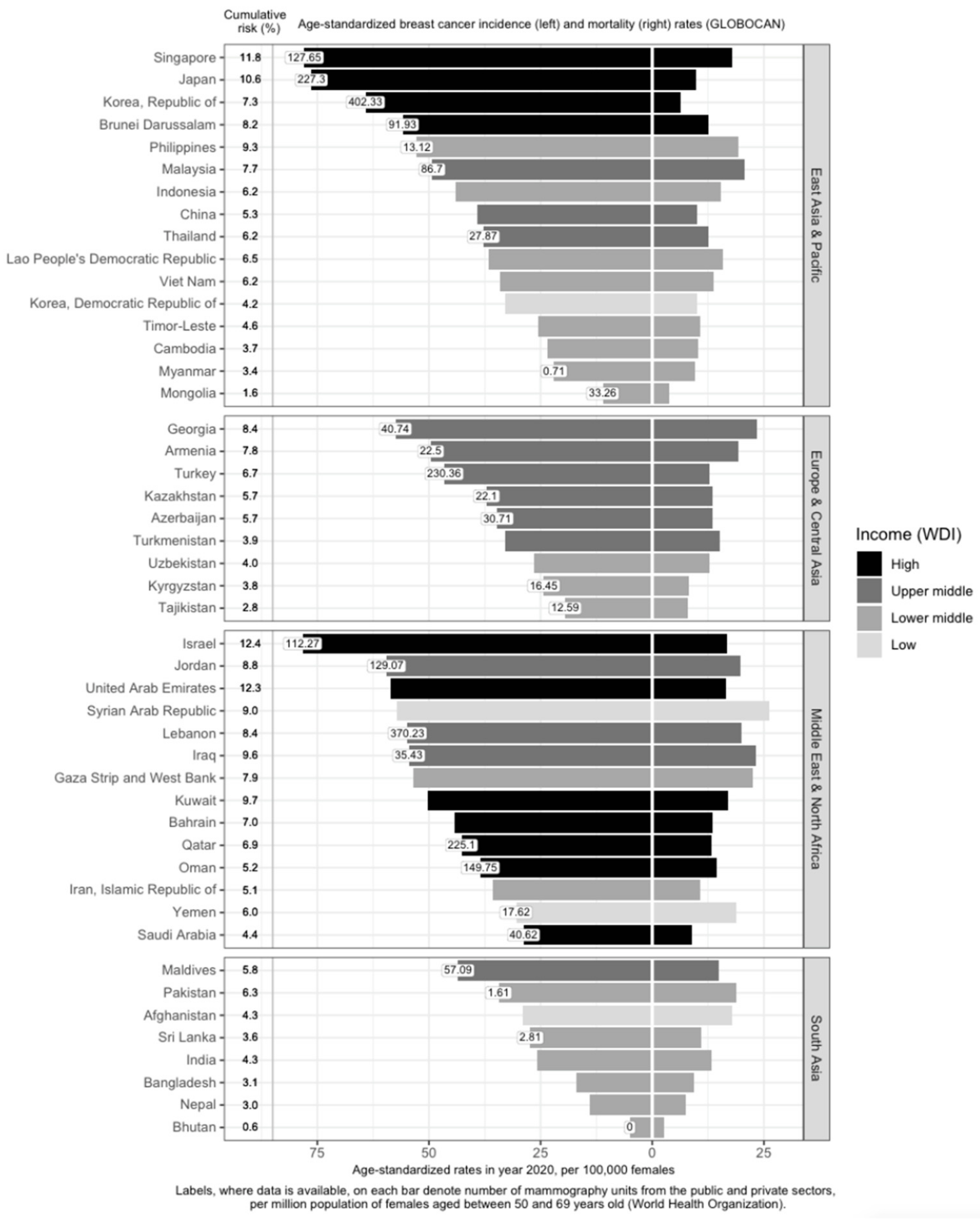
- Breast Cancer: Most common among women, treatable with surgery and chemotherapy.
- Lung Cancer: Often linked to smoking and pollution, requires early detection.
- Oral Cancer: Common in India due to tobacco use, treated with surgery and radiation.
- Stomach Cancer: Higher rates in China, treated with surgery and targeted therapy.
- Colorectal Cancer: Increasing cases worldwide, requires timely screening and treatment.
These cancers have different symptoms and require specific treatments. The choice of the best cancer hospital in India or China depends on the cancer type and stage. Below is a simple comparison of cancer types and their typical treatments:
| Cancer Type | Common Treatment | Prevalence in India | Prevalence in China |
|---|---|---|---|
| Breast Cancer | Surgery, Chemotherapy, Radiation | High | Moderate |
| Lung Cancer | Chemotherapy, Targeted Therapy | Moderate | High |
| Oral Cancer | Surgery, Radiation | High | Low |
| Stomach Cancer | Surgery, Chemotherapy | Moderate | High |
| Colorectal Cancer | Surgery, Chemotherapy | Moderate | Moderate |
Symptoms And Diagnosis
Early detection of cancer improves treatment success. Patients often notice symptoms that lead them to seek medical help. Common signs include:
- Unexplained weight loss
- Persistent fatigue
- Unusual lumps or swellings
- Changes in skin or moles
- Persistent pain or discomfort
Doctors use various tests to diagnose cancer accurately. These include:
- Imaging tests: X-rays, CT scans, MRI to locate tumors.
- Biopsy: Sample tissue is examined under a microscope.
- Blood tests: Detect tumor markers and organ function.
Choosing the right hospital for diagnosis is critical. The best cancer hospitals in India and China offer advanced diagnostic tools and expert oncologists. Early and accurate diagnosis leads to better treatment plans and outcomes.
Emotional And Physical Impact
Cancer affects patients beyond physical health. The emotional toll can be intense. Many patients experience:
- Anxiety about treatment and outcomes
- Stress from hospital visits and procedures
- Depression due to changes in lifestyle
- Fear of pain and side effects
Physically, cancer and its treatment cause side effects such as:
- Fatigue and weakness
- Nausea and vomiting
- Hair loss from chemotherapy
- Weight changes
Support from family, friends, and healthcare teams is vital. Both India and China provide counseling and support groups at leading cancer hospitals. Managing emotional health improves overall recovery and quality of life.
Cancer Treatment Options In India
Cancer treatment in India offers diverse options for patients seeking effective care. India and China both have advanced cancer hospitals, but many choose India for its blend of quality and affordability. The cost of cancer treatment in India is often lower than in China, without compromising on technology or expertise. Indian hospitals provide comprehensive care through surgical, radiation, chemotherapy, and newer targeted therapies. Understanding these treatment options helps patients make informed decisions about their health.
Surgical Procedures
Surgery remains a key cancer treatment method in India. It involves removing the tumor and some surrounding tissue to stop cancer spread. Indian hospitals use advanced surgical techniques, including minimally invasive and robotic surgery, to improve patient recovery.
Common types of cancer surgeries in India include:
- Excisional surgery: Removing the entire tumor
- Debulking surgery: Removing part of a large tumor
- Reconstructive surgery: Restoring body parts after tumor removal
Benefits of surgical procedures:
- Precise removal of cancer cells
- Improved chances of cure in early-stage cancers
- Shorter hospital stays with minimally invasive methods
Hospitals like Tata Memorial and AIIMS provide expert surgical oncology teams. These teams work closely with other specialists to plan the best approach. Surgery often combines with radiation or chemotherapy for better results.
Radiation Therapy
Radiation therapy
Types of radiation therapy available:
- External beam radiation: Delivered from outside the body
- Brachytherapy: Radioactive sources placed inside or near the tumor
- Stereotactic radiosurgery: High-dose, focused radiation in few sessions
Advantages of radiation therapy in India:
- Advanced machines reduce side effects
- Flexible schedules for outpatient care
- Combines well with surgery and chemotherapy
Indian hospitals emphasize personalized radiation plans using imaging techniques. This customization improves treatment success and patient comfort.
Chemotherapy
Chemotherapy
Key points about chemotherapy in India:
- Administered orally or intravenously
- Cycles of treatment with rest periods
- Supportive care to manage side effects
Common side effects managed by Indian hospitals:
| Side Effect | Management |
|---|---|
| Nausea | Anti-nausea medications |
| Fatigue | Rest and nutrition support |
| Hair loss | Patient counseling and wigs |
Experienced oncologists in India monitor patient response closely. Adjustments to chemotherapy improve outcomes and reduce risks.
Targeted And Immunotherapy
Targeted therapyimmunotherapy
Types of targeted and immunotherapy in India:
- Monoclonal antibodies
- Tyrosine kinase inhibitors
- Checkpoint inhibitors
- Cancer vaccines
Benefits of these therapies:
- More precise action on cancer cells
- Less damage to normal cells
- Potential for long-term remission
Indian cancer centers are increasingly adopting these treatments. They offer hope for patients with advanced or resistant cancers. Doctors combine targeted and immunotherapy with other treatments for best results.
Cancer Treatment Options In China
Cancer patients often face tough decisions regarding treatment choices. India and China stand out as popular destinations for cancer care. Both countries offer advanced medical services at competitive costs. India is known for its top cancer hospitals and affordable treatment. China combines modern medicine with traditional healing practices. The best cancer hospitals in China provide a range of options for patients. Understanding cancer treatment options in China helps patients make informed decisions. Treatments here blend time-tested methods with cutting-edge technology. This mix aims to improve outcomes and patient comfort.
Traditional Chinese Medicine
Traditional Chinese Medicine (TCM) plays a key role in cancer care in China. It uses natural methods to support the body’s healing process. Many patients use TCM alongside modern treatments to reduce side effects and boost immunity.
Common TCM treatments for cancer include:
- Herbal Medicine: Customized herbal formulas target tumor growth and improve energy.
- Acupuncture: Helps relieve pain, nausea, and fatigue during cancer treatment.
- Qigong and Tai Chi: Gentle exercises that improve physical strength and mental health.
- Cupping and Moxibustion: Techniques to stimulate blood flow and enhance healing.
The goal of TCM is to balance the body’s energy, or “Qi,” and strengthen organs affected by cancer and treatment. Many hospitals in China offer TCM services within cancer care programs.
| TCM Method | Purpose | Benefits |
|---|---|---|
| Herbal Medicine | Support immune system | Reduce tumor size, increase energy |
| Acupuncture | Pain and symptom relief | Less nausea, better sleep |
| Qigong/Tai Chi | Physical and mental wellness | Improved strength, reduced stress |
| Cupping/Moxibustion | Stimulate blood flow | Enhanced healing, pain relief |
Modern Medical Approaches
China’s cancer treatment centers provide advanced modern medical care. These include surgery, chemotherapy, radiation, and targeted therapies. Hospitals use the latest technology for precise diagnosis and treatment.
Key modern approaches include:
- Surgery: Removal of tumors with minimal damage to healthy tissue.
- Chemotherapy: Use of drugs to kill cancer cells or stop their growth.
- Radiation Therapy: High-energy rays to destroy cancer cells.
- Targeted Therapy: Drugs that target specific molecules in cancer cells.
- Immunotherapy: Boosts the body’s immune system to fight cancer.
Hospitals in China offer personalized treatment plans based on cancer type and stage. Skilled oncologists guide patients through each step. Advanced imaging and genetic tests support accurate treatment choices.
| Treatment | Description | Common Use |
|---|---|---|
| Surgery | Physical removal of tumors | Early-stage cancers |
| Chemotherapy | Drug-based treatment | Various cancer types |
| Radiation Therapy | Targeted radiation to kill cells | Localized tumors |
| Targeted Therapy | Drugs targeting cancer molecules | Specific cancer markers |
| Immunotherapy | Enhances immune response | Advanced or resistant cancers |
Integrative Therapies
Integrative cancer care combines traditional Chinese medicine with modern treatments. This approach aims to improve patient quality of life and treatment outcomes. It focuses on treating the whole person, not just the disease.
Common integrative therapies include:
- Nutrition Counseling: Diet plans to support immunity and reduce treatment side effects.
- Mental Health Support: Counseling and stress management techniques.
- Physical Therapy: Exercises to maintain strength and mobility.
- Pain Management: Combining acupuncture and medication for relief.
- Mind-Body Practices: Meditation, yoga, and breathing exercises.
Integrative therapies help reduce fatigue, anxiety, and nausea. They also aid recovery during and after cancer treatment. Hospitals in China offer these services as part of patient care programs.
| Therapy | Focus | Benefits |
|---|---|---|
| Nutrition Counseling | Healthy eating plans | Boosts immunity, reduces side effects |
| Mental Health Support | Emotional well-being | Reduces anxiety, improves mood |
| Physical Therapy | Movement and strength | Maintains function, speeds recovery |
| Pain Management | Relief from discomfort | Improves quality of life |
| Mind-Body Practices | Relaxation techniques | Reduces stress, enhances healing |
Top Cancer Hospitals In India
Cancer patients face many challenges, especially regarding treatment options and hospital choices. India and China are two popular destinations for cancer treatment due to their advanced medical facilities and cost-effective care. The cost of cancer treatment varies widely but is generally lower in these countries compared to Western nations. Among these, India offers some of the best cancer hospitals known for quality care, advanced technology, and experienced oncologists. Understanding the top cancer hospitals in India helps patients make informed decisions for their treatment journey.
Leading Institutions
India hosts several leading cancer hospitals recognized globally for their high standards. These institutions combine research, diagnosis, and treatment to offer comprehensive care. Some of the top hospitals include:
- All India Institute of Medical Sciences (AIIMS), New Delhi: Known for advanced research and treatment protocols.
- Rajiv Gandhi Cancer Institute and Research Centre, Delhi: Offers multidisciplinary cancer care with modern facilities.
- Kidwai Memorial Institute of Oncology, Bengaluru: Provides affordable treatment with a strong focus on patient welfare.
- Tata Memorial Hospital, Mumbai: One of Asia’s oldest and most respected cancer centers.
These institutions use the latest technology such as radiation therapy, chemotherapy, and surgical oncology. They also collaborate with international organizations for cutting-edge research and clinical trials.
| Hospital | Location | Key Features | Specialties |
|---|---|---|---|
| AIIMS | New Delhi | Research, Advanced Diagnostics | All Cancer Types |
| Rajiv Gandhi Cancer Institute | Delhi | Multidisciplinary Care, Modern Facilities | Breast, Lung, Blood Cancers |
| Kidwai Memorial Institute | Bengaluru | Affordable Treatment, Patient Welfare | Leukemia, Lymphoma, Solid Tumors |
| Tata Memorial Hospital | Mumbai | Historic, Research Focused | All Cancer Types |
Specialized Cancer Centers
Specialized cancer centers focus on particular cancer types or treatment methods. These centers provide expert care tailored to specific needs. Examples include:
- Breast Cancer Centers: Facilities with advanced imaging and surgical options.
- Hematology-Oncology Units: Specialize in blood cancers like leukemia and lymphoma.
- Pediatric Oncology Centers: Dedicated to treating childhood cancers with specialized protocols.
- Radiation Oncology Centers: Equipped with modern machines for precise radiation therapy.
These centers often have teams of specialists including oncologists, radiologists, surgeons, and counselors. They offer clinical trials and access to new medications. Patients benefit from focused expertise and personalized treatment plans.
Specialized centers also provide advanced diagnostic tools such as PET scans, MRI, and genetic testing. These tools help detect cancer early and choose the best treatment options. Patients receive care based on the latest research and technology.
Patient Care And Support Services
Top cancer hospitals in India emphasize not only treatment but also patient care and support. This approach improves patient comfort and treatment outcomes. Services include:
- Psychological Counseling: Helps patients and families cope with diagnosis and treatment stress.
- Nutrition Guidance: Tailored diets to support recovery and strengthen immunity.
- Pain Management: Effective techniques to reduce discomfort during treatment.
- Rehabilitation Services: Physical therapy and exercises to regain strength post-treatment.
- Patient Education: Informative sessions about cancer types, treatment plans, and side effects.
Hospitals provide accommodation and travel assistance for outstation patients. Many centers have support groups where patients share experiences and encouragement. The goal is to create a caring environment that addresses both medical and emotional needs.
Good patient care also includes regular follow-ups and monitoring to track recovery. This comprehensive support helps improve survival rates and quality of life for cancer patients.
Leading Cancer Hospitals In China
Cancer affects millions worldwide, making access to quality treatment vital. India and China offer advanced options for cancer patients seeking care. Both countries have some of the best cancer hospitals known for skilled specialists and modern technology. Treatment costs vary, with India often providing more affordable care. China’s leading cancer hospitals combine strong medical expertise with growing research efforts. This section explores the leading cancer hospitals in China, focusing on their treatment facilities, research, and patient experience.
Major Cancer Treatment Facilities
China’s top cancer hospitals provide a wide range of treatment options. These include surgery, chemotherapy, radiation therapy, and targeted drug therapies. Many centers use the latest technology such as robotic surgery and advanced imaging systems.
- Comprehensive care: Hospitals offer diagnosis, treatment, and follow-up in one place.
- Multidisciplinary teams: Specialists from oncology, radiology, and surgery work together.
- Advanced equipment: PET-CT scanners, linear accelerators, and proton therapy machines.
Here is a table showing some major cancer hospitals and their specialties:
| Hospital Name | Location | Specialties | Technology |
|---|---|---|---|
| Fudan University Shanghai Cancer Center | Shanghai | Lung, breast, gastrointestinal cancers | Robotic surgery, proton therapy |
| Sun Yat-sen University Cancer Center | Guangzhou | Head and neck, liver, nasopharyngeal cancers | 3D conformal radiation, immunotherapy |
| Beijing Cancer Hospital | Beijing | Hematologic, lung, colorectal cancers | Targeted therapy, PET-CT |
Research And Innovation
Leading cancer hospitals in China focus heavily on research. They develop new treatments and improve existing ones through clinical trials. Cooperation with universities and pharmaceutical companies accelerates innovation.
Areas of research include:
- Immunotherapy approaches to boost the immune system against cancer
- Genetic studies to personalize cancer treatment
- Minimally invasive surgical techniques
- Combination therapies for resistant cancer types
Hospitals often have dedicated research centers that:
- Conduct clinical trials following strict safety standards
- Publish findings in international medical journals
- Train medical staff in the latest cancer treatment methods
This focus on research helps Chinese hospitals stay at the forefront of cancer care.
Patient Experience
Patient care is a high priority at China’s best cancer hospitals. Staff provide support that covers medical, emotional, and practical needs. Many hospitals have multilingual teams to assist international patients.
Key features of patient experience include:
- Personalized treatment plans based on patient history and preferences
- Access to counseling and support groups
- Comfortable hospital environments with private rooms
- Efficient appointment scheduling to reduce wait times
Patients can expect clear communication about treatment options and progress. Hospitals also help with travel, accommodation, and insurance paperwork. These services improve comfort and reduce stress during cancer treatment.
Credit: www.mdpi.com
Cost Comparison Of Cancer Treatment
Cancer treatment is a critical concern for patients worldwide. Many seek the best care at affordable costs. India and China stand out as popular destinations for cancer treatment. Both countries offer reputed hospitals with advanced technology. Patients often compare the cost of treatment in these nations before making decisions. Understanding the cost comparison of cancer treatment helps patients plan their finances better. This section highlights the expenses involved in cancer care in India and China. It also explains the key factors affecting these costs.
Treatment Expenses In India
India is known for providing quality cancer treatment at reasonable prices. The cost depends on the type of cancer, stage, and treatment method. Common treatments include surgery, chemotherapy, radiation therapy, and immunotherapy.
- Surgery: ₹1,00,000 to ₹5,00,000 (approx.)
- Chemotherapy cycle: ₹15,000 to ₹50,000 per cycle
- Radiation therapy: ₹50,000 to ₹2,00,000
- Targeted therapy: ₹1,00,000 to ₹4,00,000
The Best Cancer Hospitals in India like Tata Memorial Hospital, AIIMS, and Apollo Hospitals offer specialized care. These centers have experienced oncologists and modern equipment. Treatment cost also varies by hospital reputation and city. Metropolitan cities like Mumbai, Delhi, and Bangalore tend to be more expensive.
| Treatment Type | Cost Range (INR) | Cost Range (USD) |
|---|---|---|
| Surgery | ₹1,00,000 – ₹5,00,000 | $1,200 – $6,000 |
| Chemotherapy (per cycle) | ₹15,000 – ₹50,000 | $180 – $600 |
| Radiation Therapy | ₹50,000 – ₹2,00,000 | $600 – $2,400 |
| Targeted Therapy | ₹1,00,000 – ₹4,00,000 | $1,200 – $4,800 |
Many patients choose India for its lower treatment costs and skilled healthcare workers. The option of affordable medicine and supportive care also helps reduce expenses.
Treatment Expenses In China
China has rapidly improved its cancer care facilities in recent years. The country offers advanced treatment options at competitive prices. Many patients visit top Chinese hospitals such as Cancer Hospital, Chinese Academy of Medical Sciences, and Fudan University Shanghai Cancer Center.
Typical costs for cancer treatment in China include:
- Surgery: ¥30,000 to ¥150,000 (approx.)
- Chemotherapy cycle: ¥5,000 to ¥20,000 per cycle
- Radiation therapy: ¥20,000 to ¥80,000
- Targeted therapy: ¥50,000 to ¥200,000
Costs vary by hospital, location, and treatment complexity. Cities such as Beijing, Shanghai, and Guangzhou tend to have higher prices due to better infrastructure. Treatment in China often includes traditional Chinese medicine as a complementary therapy.
| Treatment Type | Cost Range (CNY) | Cost Range (USD) |
|---|---|---|
| Surgery | ¥30,000 – ¥150,000 | $4,200 – $21,000 |
| Chemotherapy (per cycle) | ¥5,000 – ¥20,000 | $700 – $2,800 |
| Radiation Therapy | ¥20,000 – ¥80,000 | $2,800 – $11,200 |
| Targeted Therapy | ¥50,000 – ¥200,000 | $7,000 – $28,000 |
While costs are higher than India, China’s cancer hospitals provide high-end technology and research-driven care. This attracts patients seeking innovative treatments.
Factors Influencing Costs
Several factors affect the cost of cancer treatment in both India and China. Understanding these helps patients estimate expenses better.
- Type and Stage of Cancer: Advanced cancers need complex treatments, raising costs.
- Treatment Method: Surgery is usually a one-time cost; chemotherapy and radiation require multiple sessions.
- Hospital Reputation: Top hospitals charge more for their expertise and facilities.
- Location: Major cities have higher living and medical expenses.
- Duration of Treatment: Longer treatment means increased overall costs.
- Supportive Care: Medications, nursing, and rehabilitation add to expenses.
- Insurance Coverage: Availability of health insurance can reduce out-of-pocket costs.
Additional factors include patient age, co-existing health conditions, and choice of medicines. Both countries offer cost-saving options like generic drugs and government subsidies in some hospitals. Patients should discuss all costs upfront with their healthcare providers.
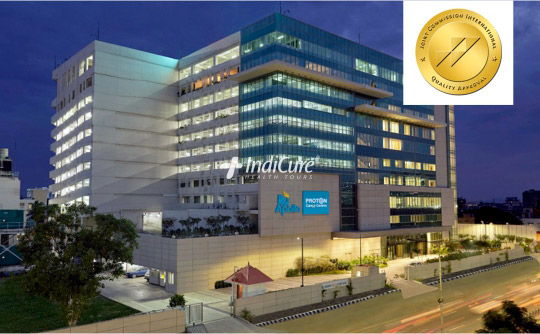
Credit: www.indicure.com
Frequently Asked Questions
What Are The Best Cancer Hospitals In India?
India’s best cancer hospitals offer advanced treatments and experienced oncologists. Facilities like Tata Memorial and AIIMS provide comprehensive care with affordable costs and cutting-edge technology.
How Does Cancer Treatment In India Compare To China?
India and China both provide quality cancer care. India is known for affordable, personalized treatments, while China offers advanced technology and holistic approaches. Choice depends on patient needs and budget.
What Is The Cost Of Cancer Treatment In India?
Cancer treatment in India is significantly affordable, ranging from $2,000 to $20,000 depending on the cancer type and therapy. Costs include surgery, chemotherapy, radiation, and hospital stay.
Is Cancer Treatment Quality Good In China?
China offers high-quality cancer treatment with modern hospitals and skilled specialists. They combine Western medicine and traditional Chinese therapies for effective patient outcomes.
Conclusion
Choosing the right place for cancer treatment is very important. India and China offer quality care at different costs. Both countries have hospitals with skilled doctors and modern technology. Patients should consider treatment quality, hospital reputation, and expenses. Understanding these factors helps in making good decisions.
Cancer treatment can be tough, but finding the best hospital makes a difference. Everyone deserves care that fits their needs and budget. Take time to research and choose wisely for better health outcomes.