Osteoarthritis: Effective Treatments to Relieve Pain & Stiffness
Osteoarthritis is a common joint problem. It affects many adults worldwide. It happens when the cartilage in joints wears down. Cartilage is the smooth layer that covers the ends of bones. It helps joints move easily and without pain.
When cartilage breaks down, bones start to rub together. This causes pain, swelling, and stiffness. Osteoarthritis can make it hard to move. It often affects knees, hips, hands, and spine. People with osteoarthritis may find daily tasks difficult.
What Causes Osteoarthritis?
Osteoarthritis develops over time. It is often linked to aging. As people get older, cartilage becomes weaker. But age is not the only reason. Other factors can increase the risk:
- Joint injury: Past injuries can harm cartilage.
- Being overweight: Extra weight puts more pressure on joints.
- Genetics: Family history may increase risk.
- Repetitive use: Jobs or sports that use the same joints a lot.
- Other diseases: Some illnesses can damage joints.
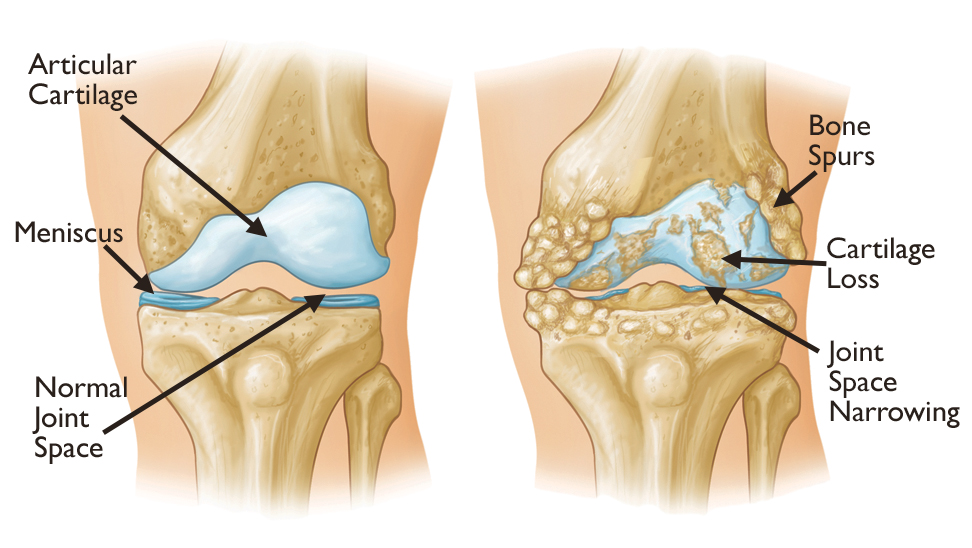
Credit: orthoinfo.aaos.org
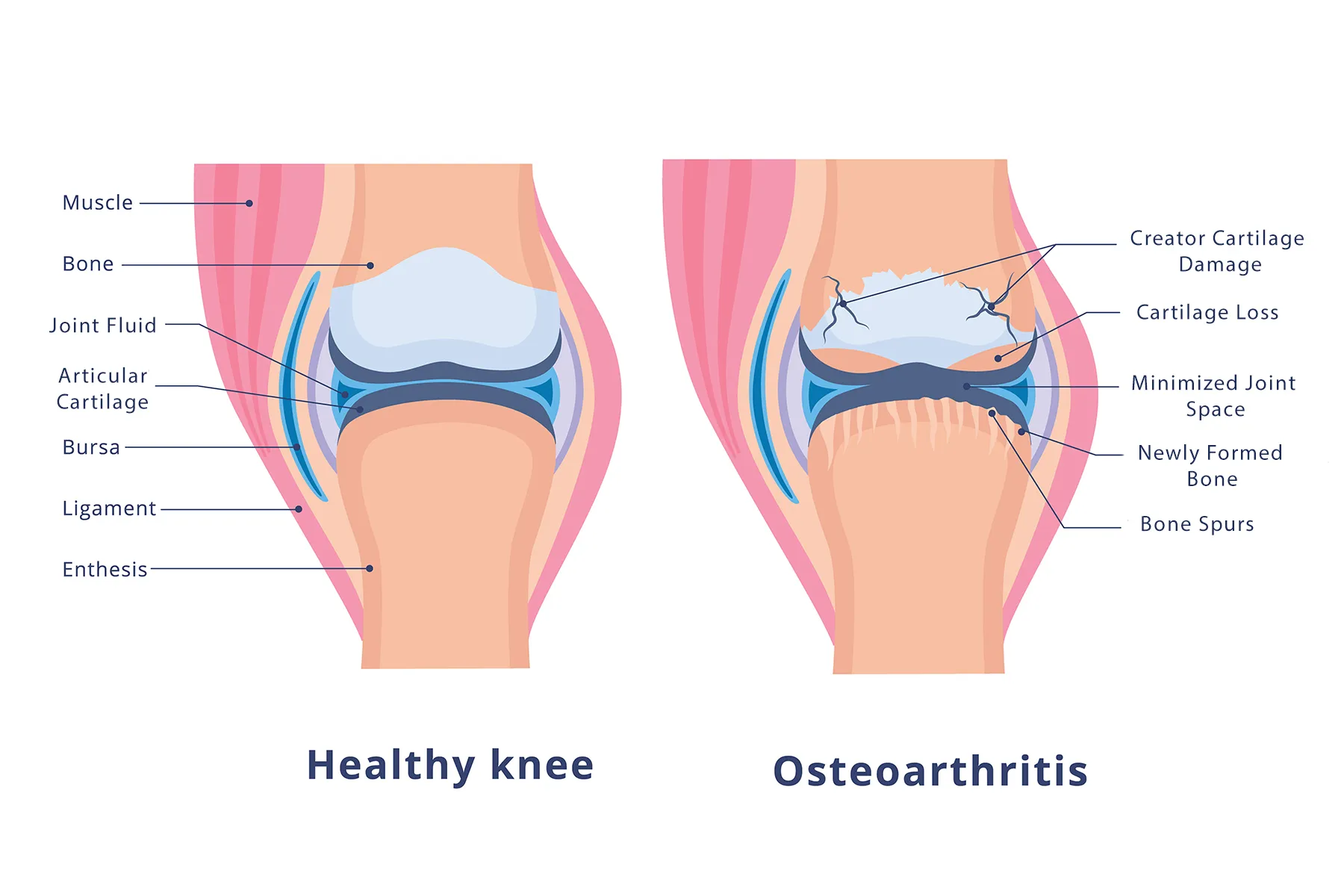
Credit: www.webmd.com
Signs and Symptoms of Osteoarthritis
Osteoarthritis symptoms can start slowly. They may get worse with time. Common signs include:
- Joint pain: Pain during or after movement.
- Stiffness: Joints feel stiff, especially in the morning.
- Swelling: Joints may swell and feel warm.
- Reduced flexibility: Hard to move joints fully.
- Cracking sounds: Joints may make noises when moving.
- Bone spurs: Extra bone growth around joints.
How Is Osteoarthritis Diagnosed?
Doctors diagnose osteoarthritis by checking symptoms and medical history. They also do a physical exam. The doctor looks for joint swelling, tenderness, and movement limits.
Imaging tests like X-rays or MRI scans help see joint damage. X-rays show cartilage loss and bone changes. Sometimes, blood tests are done to rule out other diseases.
Effective Treatments for Osteoarthritis
There is no cure for osteoarthritis. But many treatments can ease symptoms. Treatment aims to reduce pain and improve joint function. It often involves a combination of methods.
Lifestyle And Physical Approaches
- Exercise: Low-impact aerobic exercises like walking or cycling help. Strength training builds muscles around joints. This reduces pain and stiffness.
- Weight management: Losing extra weight lowers joint stress.
- Physical therapy: Therapists teach exercises to improve movement and balance.
- Occupational therapy: Helps with daily tasks and suggests assistive tools.
- Assistive devices: Canes or braces reduce joint pressure.
- Home care: Applying heat or cold helps pain. Supportive shoes and pillows add comfort.
Medical Treatments
- Over-the-counter pain relief: Acetaminophen and topical creams ease pain.
- NSAIDs: Nonsteroidal anti-inflammatory drugs reduce pain and swelling. Use the lowest dose for shortest time.
- Corticosteroid injections: Doctors inject medicine into joints for short-term relief. Limited use is important.
- Other medications: Duloxetine may help some with nerve pain or depression.
- Surgery: When pain is severe, joint replacement might be needed.
- Nerve treatment: Radiofrequency denervation blocks pain signals in joints like knees.
Exercise Tips for Osteoarthritis
Exercise helps keep joints moving and muscles strong. Here are some tips:
- Start slow and go easy at first.
- Choose low-impact activities like swimming or cycling.
- Stretch gently before and after exercise.
- Stop if you feel sharp pain.
- Talk to a doctor or therapist before starting.
How Weight Affects Osteoarthritis
Extra weight adds pressure to joints. This causes more wear and tear. Losing weight can reduce pain and improve movement.
Even small weight loss helps. It can slow down joint damage. A healthy diet and regular exercise are key.
Using Assistive Devices
Canes, walkers, or braces help support joints. They make walking easier and less painful. Using these devices can improve your independence.
Talk to a therapist about the best tools for you.
Home Remedies for Osteoarthritis
Simple home treatments can ease symptoms:
- Apply warm towels or heating pads for stiffness.
- Use ice packs to reduce swelling and pain.
- Wear comfortable shoes with good support.
- Use pillows to support joints when resting.
When Is Surgery Needed?
Surgery is usually the last option. It is for people with severe pain or loss of joint function. Common surgeries include:
- Joint replacement: Damaged joint is replaced with an artificial one.
- Arthroscopy: Cleaning the joint to remove damaged tissue.
- Osteotomy: Bone is cut and realigned to reduce pressure.
Surgery can improve quality of life. But it requires recovery time and physical therapy.
Living Well with Osteoarthritis
Osteoarthritis can be tough. But many people live active lives with it. Managing symptoms is key. Here are some helpful tips:
- Stay active with safe exercises.
- Keep a healthy weight.
- Follow medical advice for medications and therapy.
- Use assistive devices if needed.
- Take care of your joints every day.
- Seek support from family, friends, or groups.
Summary Table: Osteoarthritis Overview
| Aspect | Details |
|---|---|
| What is it? | Wear and tear of joint cartilage |
| Common symptoms | Pain, stiffness, swelling, reduced movement |
| Common joints affected | Knees, hips, hands, spine |
| Main causes | Aging, injury, weight, genetics, repetitive use |
| Non-surgical treatments | Exercise, weight loss, therapy, medications |
| Surgical options | Joint replacement, arthroscopy, osteotomy |
Frequently Asked Questions
What Is The Best Treatment For Osteoarthritis?
The best treatment for osteoarthritis combines low-impact exercise, weight management, physical therapy, and pain-relief medications. NSAIDs and acetaminophen reduce pain, while corticosteroid injections or surgery help severe cases. Assistive devices and lifestyle changes improve joint function and reduce discomfort effectively.
How Serious Is Osteoarthritis?
Osteoarthritis is a chronic joint condition causing pain, stiffness, and reduced mobility. It can significantly impact daily activities. Early treatment and lifestyle changes help manage symptoms and slow progression. Severe cases may require surgery to restore joint function and improve quality of life.
Does Osteoarthritis Ever Improve?
Osteoarthritis does not fully improve but symptoms can be managed effectively. Lifestyle changes, exercise, and treatments reduce pain and enhance joint function.
What Are The 4 Stages Of Osteoarthritis?
The 4 stages of osteoarthritis are: Stage 1 (Minor), Stage 2 (Mild), Stage 3 (Moderate), and Stage 4 (Severe). Each stage shows increasing joint damage and symptoms.
Conclusion
Osteoarthritis is a common problem. It affects many adults worldwide. It causes joint pain and stiffness. But with the right care, symptoms can improve. Exercise, weight control, and therapy help a lot. Medicine and sometimes surgery can assist too.
Living with osteoarthritis means making smart choices daily. Stay active, protect your joints, and listen to your body. Talk to your doctor about the best plan for you. Remember, you can manage osteoarthritis and still enjoy life.